Kate Talens

How to Compare House Cleaning Companies Online?

How to Compare House Cleaning Companies Online

Your home is one of your most valuable investments, so keeping it clean is essential for your health, comfort, and property value. With so many house cleaning companies online, choosing the right service can feel overwhelming.

The good news is that with the right approach, you can compare house cleaning services online and confidently select the one that fits your lifestyle and budget.

How to Compare House Cleaning Companies Online

What to Know Before You Start Searching

Before you jump into house cleaning company reviews, take time to clarify your needs.

Do you need recurring weekly cleaning, a deep clean before hosting guests, or eco-friendly cleaning services?

Knowing exactly what you’re looking for helps you filter options quickly and compare only the most relevant companies.

How to Compare House Cleaning Companies Online

The Best Way to Compare House Cleaning Companies Online

Check Company Websites First

A professional website often reveals how trustworthy a company is. Look for details on their service packages, transparent pricing, proof of insurance, and licensing.

Companies that clearly outline their cleaning process, cancellation policies, and guarantees usually operate with professionalism and accountability.

Read Customer Reviews and Testimonials

Reading house cleaning company reviews on Google, Yelp, and Facebook is one of the most reliable ways to evaluate quality.

Pay attention to recurring themes in customer feedback, such as punctuality, friendliness, or consistency.

One or two negative reviews may not be a red flag, but repeated complaints about the same issue often indicate deeper problems.

Compare Service Packages Side by Side

Not all cleaning businesses offer the same services. Some focus on move-out cleaning or deep cleans, while others specialize in ongoing weekly or biweekly maintenance.

When you compare house cleaning services online, check what’s included in each package. Also confirm whether the company provides cleaning supplies or if you’ll need to supply your own.

How to Compare House Cleaning Companies Online

Evaluate Pricing and Value

When comparing cleaning prices online, don’t just look for the cheapest option.

A slightly higher rate might include eco-friendly cleaning products, highly trained staff, and excellent customer service.

Always read the fine print to ensure there are no hidden fees. The goal is to balance affordability with quality.

Assess Communication and Responsiveness

Strong communication is key when hiring a cleaning company. When you contact them by phone, email, or live chat, notice how quickly and professionally they respond.

A business that provides clear answers and flexible scheduling demonstrates reliability, something you’ll appreciate in the long run.

Confirm Insurance and Employee Background Checks

Inviting cleaners into your home requires trust. Always verify that the company carries liability insurance and conducts background checks on employees.

Choosing licensed and insured cleaning companies not only protects your property but also provides peace of mind.

Look for Flexibility and Customization

Life is busy, and the best cleaning companies adapt to your schedule. Look for services that offer custom cleaning plans, flexible bookings, and easy rescheduling.

A company willing to tailor its services to your lifestyle shows that it values customer satisfaction.

Check for Eco-Friendly Practices

If sustainability matters to you, prioritize companies that use green cleaning products and eco-conscious practices.

Many homeowners prefer eco-friendly cleaning services to reduce exposure to harsh chemicals while protecting the environment.

How to Compare House Cleaning Companies Online

Conclusion

Learning how to compare house cleaning companies online doesn’t have to be overwhelming.

By checking company websites, reading reviews, comparing packages, and confirming insurance, you can confidently choose the right fit for your home. The best approach combines online research with a focus on value, trustworthiness, and customer care.

NW Maids is a trusted house cleaning service that homeowners recommend for its reliability, flexible scheduling, and professional cleaning standards.

If you’re ready to find a cleaning team you can count on, book your next cleaning with NW Maids today.

Related Posts:

← How to Clean a Home After Hosting a Wedding or Event

The Science of Dust: What It’s Really Made Of →

Cleaning Routine Ideas for Busy Couples

Cleaning Routine Ideas for Busy Couples

Keeping a home clean and organized can be challenging for anyone, but couples need to work together through open dialogue and shared effort to achieve this goal.

A well-organized cleaning schedule helps maintain a clean space while strengthening the relationship between partners.

This guide shows couples how to create an efficient cleaning plan for their shared home with step-by-step instructions.

How to Create a Cleaning Routine for Couples

Understanding the Importance of a Cleaning Routine

The first step in establishing a cleaning routine is understanding its importance for couples. Household members who create a shared plan avoid conflicts and experience less stress because responsibilities are evenly distributed.

When each person knows their specific tasks, it promotes collective responsibility and makes household work easier to manage. A methodical cleaning system also reduces the time spent cleaning and prevents last-minute rushes before guests arrive.

A regular cleaning routine balances household responsibilities. Without it, one partner may end up handling most of the work, creating tension.

Recognizing each other’s strengths and preferences allows couples to divide tasks efficiently. For example, one partner might focus on organization while the other handles vacuuming and scrubbing.

How to Create a Cleaning Routine for Couples

Step-by-Step Guide to Creating a Cleaning Routine for Couples

Step 1: Define Expectations

Effective cleaning starts with clear communication. Sit down together and decide which areas each person believes should stay organized.

Identify daily tasks, as well as weekly and monthly duties.

Ask questions such as:

  • Which tasks are most important to me?
  • Which chores do I dislike the most?
  • Do I need help with specific areas?

Being honest and understanding each other’s perspectives can prevent resentment and make the routine sustainable. Success comes from finding common ground and working according to individual preferences.

Step 2: Make a Chore List

Create a complete list of household duties, divided into three categories: daily, weekly, and monthly.

Daily tasks might include washing dishes, wiping countertops, and making the bed.

Weekly tasks could include vacuuming, mopping, and doing laundry, while deep cleaning appliances and organizing closets fall under monthly responsibilities.

Once the list is complete, assign tasks to each partner. Alternate chores weekly to ensure fairness and prevent monotony.

For example, Partner A vacuums one week, and Partner B takes over the next.

Step 3: Set a Cleaning Schedule

A chore list provides guidance, but scheduling tasks ensures consistency. Assign specific days and times for each activity.

For instance, laundry could be done on Tuesdays and Fridays, while deep cleaning the kitchen might take place on Saturday mornings.

Visual reminders, such as a shared calendar app or a physical planner, help track responsibilities.

Color-coding tasks can improve visibility for each partner. A clear schedule reduces confusion and keeps both partners accountable.

Step 4: Establish Teamwork Strategies

Team cleaning is more productive and enjoyable when couples work strategically. Break tasks into smaller steps that can be completed together whenever possible.

Assign chores based on each person’s strengths—one partner might handle vacuuming, mirrors, and dusting, while the other focuses on organization and scrubbing.

Positive reinforcement is key. Recognize each other’s efforts rather than perfection to motivate teamwork and create unity.

Step 5: Implement Time Limits

Setting time limits for tasks helps prevent feeling overwhelmed. Allocate 15–30 minutes per task and use a timer if needed.

Short sessions improve focus and efficiency.

Turn cleaning into a fun challenge by playing music or creating friendly competitions. Small adjustments like these make routine chores more enjoyable.

Step 6: Rotate and Refresh Responsibilities

Repeating the same tasks can lead to boredom. Rotate responsibilities weekly or monthly to keep both partners engaged and prevent one person from becoming overwhelmed.

Regularly review the routine together.

  • Are some tasks being neglected?
  • Is the schedule realistic?

Adjust as needed to keep it effective and aligned with your lifestyle.

Step 7: Include Deep-Cleaning Days

Daily and weekly chores should be balanced with monthly deep-cleaning tasks.

Dedicate one day each month to areas that are often overlooked, such as behind appliances, window blinds, and under furniture.

Planning deep cleaning in advance prevents it from interfering with daily routines.

Distribute tasks equally to maintain balance, and tackle them as a team to reduce stress and increase efficiency.

Step 8: Encourage Accountability and Rewards

Accountability is essential for an effective cleaning routine. Check in regularly to ensure tasks are completed and discuss any challenges.

Open, judgment-free communication fosters a supportive environment.

Celebrate accomplishments with small rewards, such as a favorite meal, a movie night, or a weekend outing. Positive reinforcement motivates both partners and makes cleaning a more enjoyable shared activity.

Step 9: Stay Flexible

Unexpected changes like illness, work demands, or social obligations may disrupt your cleaning routine. Flexibility allows the schedule to remain functional and stress-free.

Couples can handle temporary lapses because both partners understand they will support each other when needed. Adaptability helps maintain order and peace in the household.

How to Create a Cleaning Routine for Couples

Seek Professional Assistance When Needed

Even with a well-planned routine, some tasks may become unmanageable. Professional cleaning services provide an efficient solution for busy couples.

If you are looking for a housecleaning service, consider NW Maids.

Our team offers deep cleaning, regular maintenance, and specialized services, allowing couples to focus on other priorities while keeping their home spotless.

How to Create a Cleaning Routine for Couples

Conclusion

Creating a cleaning schedule for couples requires organized planning, shared effort, and mutual understanding.

Maintaining a clean home and strengthening relationships depend on open communication, shared tasks, and flexible routines.

Cleaning together fosters cooperation, strengthens bonds, and makes household chores more manageable.

A tidy home is achievable through consistent effort, positive reinforcement, and occasional professional help. Start small, adjust as you progress, and celebrate your successes.

A well-organized cleaning schedule transforms household duties into cooperative activities that create harmony at home.

Related Posts:

← The Science of Dust: What It’s Really Made Of

Top Traits of an Exceptional House Cleaner →

Basement Cleaning Guide: Safety, Organization, and Maintenance

Basement Cleaning Guide: Safety, Organization, and Maintenance

A clean basement is more than just an organized space; it’s a healthier and safer environment for your family.

Dust, mold, and clutter in basements can impact air quality, increase safety risks, and damage your belongings.

Following a proper basement cleaning guide ensures your space is safe, functional, and well-maintained.

How to Clean a Basement Safely and Effectively

Why a Clean Basement Matters

A clean basement prevents more than just mess. Basements are prone to moisture accumulation, dust buildup, and mold growth, which can trigger allergic reactions, respiratory problems, and skin irritation.

Cluttered areas can also hide structural damage such as cracks, leaks, or water intrusion. Regular basement cleaning prevents rodents and insects from making a home in your space, protecting both your property and your family’s health.

How to Clean a Basement Safely and Effectively

How to Clean a Basement Safely and Effectively

1. Prepare for the Cleaning Process

Gather Protective Equipment

Before starting any basement cleaning, wear gloves, safety goggles, and masks to protect against dust, mold spores, and chemical cleaners.

Open windows and use fans to improve ventilation, reducing airborne particles that can affect your health.

Collect Essential Cleaning Supplies

Ensure you have tools like brooms, vacuum cleaners with HEPA filters, mops, buckets, cleaning solutions, garbage bags, and storage bins.

Proper preparation makes basement cleaning faster, safer, and more effective.

2. Remove Clutter and Organize Items

Sort Through Belongings

Remove all items from the basement and categorize them into keep, donate, discard, or relocate.

This step helps with basement decluttering and identifies potential hazards such as mold-damaged or water-ruined belongings.

Use Storage Solutions

After clearing clutter, implement storage solutions like shelves, bins, and racks. Elevating items off the floor protects them from water damage and simplifies future cleaning.

3. Dry and Inspect the Space

Check for Moisture

Basements are highly susceptible to dampness. Examine walls, floors, and corners for leaks or water damage.

Using a dehumidifier helps maintain low humidity levels, reducing the risk of mold growth and improving basement air quality.

Repair Damage

Seal cracks, fix leaks, and replace damaged materials.

Addressing these issues prevents further damage and reduces the need for extensive cleaning later.

4. Dusting and Sweeping

Remove Surface Dust

Clean all surfaces, including shelves, furniture, and ledges.

A microfiber cloth or vacuum attachment effectively removes fine dust particles.

Sweep Floors Thoroughly

Sweep all floors, especially corners and under furniture. A stiff-bristle broom works well for concrete or tile flooring. Regular sweeping improves air quality and reduces dirt buildup.

How to Clean a Basement Safely and Effectively

5. Deep Clean Basement Surfaces

Clean Walls and Ceilings

Over time, walls and ceilings collect grime and mold. Use a mild detergent solution and, when necessary, apply a mold-killing treatment.

Always follow safety instructions for chemical cleaners.

Mop the Floors

After dusting and sweeping, mop the floors with warm water and the appropriate cleaning solution.

Concrete floors benefit from neutral cleaners, while tile may require stronger solutions.

Ensure floors are dry to prevent slips and future moisture issues.

6. Address Mold and Mildew

Identify Problem Areas

Check walls, floors, and stored items for discoloration, musty odors, or visible mold. Early detection prevents widespread mold infestations.

Treat Mold Safely

Wear protective gear and use commercial mold removers or a vinegar-and-water solution for small areas. Scrub affected surfaces thoroughly and dispose of unsalvageable materials.

Maintaining low humidity prevents mold recurrence and ensures long-term basement moisture control.

7. Improve Air Quality

Ventilate the Space

Good airflow is key to a healthy basement. Open windows, use fans, and consider an air purifier to remove dust and odors.

Inspect HVAC and Ductwork

Basements often house HVAC systems. Regular cleaning of vents and ducts keeps allergens from circulating throughout your home and extends equipment life.

8. Dispose of Waste Responsibly

Separate Trash and Recycling

Sort discarded items into trash and recycling.

Dispose of hazardous materials, like old paint, chemicals, or batteries, at designated facilities to prevent environmental contamination.

Schedule Regular Cleanouts

Basements naturally accumulate unnecessary items over time.

Routine cleaning sessions maintain organization and reduce clutter.

How to Clean a Basement Safely and Effectively

Establish a Basement Maintenance Routine

Weekly and Monthly Tasks

Weekly tasks include sweeping and checking for moisture, while monthly tasks can involve dusting surfaces, inspecting stored items, and vacuuming vents.

Seasonal Deep Cleaning

At least twice a year, perform a thorough basement deep cleaning: move items, clean walls and floors, and inspect for leaks or mold.

Seasonal maintenance keeps your basement safe, functional, and clutter-free.

How to Clean a Basement Safely and Effectively

Safety Tips for Basement Cleaning

  • Wear non-slip shoes to avoid accidents on wet floors.

  • Avoid overloading electrical outlets when using cleaning equipment.

  • Keep hazardous chemicals out of reach of children and pets.

  • Never mix cleaning products like bleach and ammonia, which can create toxic fumes.

How to Clean a Basement Safely and Effectively

Conclusion: Clean Basements Are Safe Basements

Cleaning a basement safely and effectively involves preparation, decluttering, moisture management, and proper cleaning methods.

Protect yourself with gloves, masks, and goggles while handling chemicals, and maintain your space with regular cleanings.

For stress-free results, professional cleaning services like NW Maids can keep your basement and your entire home in top condition without the hassle.

Related Posts:

← Top Traits of an Exceptional House Cleaner

The Best Green Cleaning Products for Every Room →

Enzyme Cleaners Explained: How to Use Them Effectively

Enzyme Cleaners Explained: How to Use Them Effectively

Enzyme-based cleaners are a powerful, eco-friendly solution for removing tough stains and persistent odors that traditional cleaning products often fail to handle.

Designed to break down organic messes through natural biological processes, enzyme cleaners provide effective results without relying on harsh chemicals.

Many homeowners prefer enzyme cleaners for pet accidents, food spills, and greasy surfaces, thanks to their reliability and versatility.

How to Use Enzyme Cleaners Properly

What Are Enzyme Cleaners?

Enzyme cleaners contain specialized enzymes that target and dissolve organic substances. Unlike conventional cleaners that may only mask odors or rely on aggressive chemicals, enzyme cleaners attack the source of the problem. Each enzyme serves a specific purpose:

  • Proteases break down proteins.

  • Amylases digest starches.

  • Lipases decompose fats and oils.

When combined, these enzymes form a versatile cleaning solution capable of handling stubborn household stains that standard cleaners often struggle with.

How Enzyme Cleaners Work on Different Surfaces

Enzyme cleaners are most effective on organic-based stains and odors, such as food spills, pet urine, wine, and sweat.

The enzymes break down these substances into smaller components that natural processes can neutralize.

Unlike chemical cleaners that mask odors temporarily, enzyme cleaners remove them at the source, preventing smells from returning once the fragrance fades.

These cleaners are safe for multiple surfaces, including carpets, upholstery, hardwood floors, tile, and grout. When used correctly, they won’t harm fibers or finishes, unlike bleach or ammonia-based products.

Benefits of Choosing Enzyme Cleaners

Some of the key advantages of enzyme cleaners include:

  • Eco-friendly formula: Uses natural proteins instead of harsh chemicals, making them safe for children and pets.

  • Low indoor air pollution: No strong fumes or irritants.

  • Versatility: A single bottle can tackle multiple cleaning tasks, reducing the need for specialized products.

How to Use Enzyme Cleaners Properly

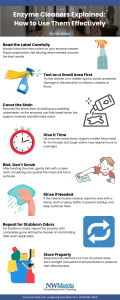
How to Use Enzyme Cleaners Correctly

Read the Label Carefully

Always follow the manufacturer’s instructions. Some enzyme cleaners require dilution, while others can be applied directly. Proper preparation ensures the best results.

Test on a Small Area First

Even though enzyme cleaners are gentle, test them on a hidden spot of fabric, carpet, or flooring to avoid discoloration or damage.

Apply Generously to the Stain

For optimal results, ensure the cleaner fully saturates the stain or odor source. For pet urine, treat both the surface fibers and the padding underneath.

Allow Time for Enzymes to Work

Enzymes need time to break down organic matter. Most products require 10–15 minutes, but tough stains may need several hours or overnight treatment. Covering the area with a damp cloth can keep enzymes active longer.

Blot, Don’t Scrub

After the enzymes have worked, blot the area with a clean cloth or paper towel. Avoid scrubbing, which can spread the stain and damage surfaces.

Rinse When Necessary

Some enzyme cleaners need to be rinsed, while others can remain on the surface. If rinsing is required, use a damp cloth or spray bottle to remove residue, preventing buildup.

Reapply for Persistent Odors

Stubborn odors, such as pet urine in carpets, may need multiple applications. Apply, let sit, and blot until completely eliminated.

Store the Cleaner Correctly

Store enzyme cleaners in a cool, dry place, away from sunlight and extreme temperatures to maintain effectiveness.

How to Use Enzyme Cleaners Properly

Common Mistakes to Avoid When Using Enzyme Cleaners

  • Using too little product: Saturate the area for best results.

  • Not allowing enough time: Patience ensures enzymes fully break down stains.

  • Mixing with other cleaners: Avoid combining with bleach, ammonia, or harsh chemicals, as this deactivates enzymes.

How to Use Enzyme Cleaners Properly

Best Places to Use Enzyme Cleaners in Your Home

  • Carpets and Rugs: Ideal for pet accidents and food spills.

  • Upholstery and Mattresses: Removes body oils, sweat, and accidental spills. Always check fabric labels first.

  • Kitchen and Bathroom Surfaces: Effective against grease, soap scum, and mildew, especially in drains.

  • Laundry Pre-Treatment: Boosts detergent effectiveness on protein-based stains like grass, blood, or food.

How to Use Enzyme Cleaners Properly

Conclusion

For households dealing with stubborn stains and persistent odors, enzyme cleaners provide a safe, eco-friendly, and effective solution.

By following these tips, using enough product, allowing adequate time, and avoiding chemical mixing, you can achieve lasting results while protecting your surfaces.

And if maintaining your home feels overwhelming, NW Maids can help. Our professional team will handle your household cleaning tasks, leaving your home fresher, cleaner, and healthier.

Related Posts:

← The Best Green Cleaning Products for Every Room

How to Clean Houseplant Leaves →

How to Declutter and Clean a Garage in One Weekend

How to Declutter and Clean a Garage in One Weekend

The garage is one of the most common areas in the home to collect clutter; boxes, tools, sports gear, and forgotten odds and ends often pile up until it feels overwhelming. But with the right approach, you can reclaim that space in just two days.

This step-by-step guide shows you how to declutter and clean a garage in one weekend using a structured plan that saves time and delivers lasting results.

How to Declutter and Clean a Garage in One Weekend

Why a Clean and Organized Garage Matters

An organized garage does more than improve appearance—it enhances safety and efficiency.

A clutter-free garage reduces fire hazards, makes tools and supplies easier to access, and helps prevent tripping accidents.

It can even boost your home’s resale value. Best of all, having a tidy space reduces stress and gives you a sense of control over your home environment.

How to Declutter and Clean a Garage in One Weekend

How to Declutter and Clean a Garage in One Weekend: Step-by-Step Plan

Step 1: Prepare Ahead of Time

Before you start, gather everything you’ll need: heavy-duty trash bags, storage bins, labels, a broom, mop, microfiber cloths, and a reliable all-purpose cleaner.

Planning ahead ensures your weekend garage cleaning project goes smoothly without interruptions.

Step 2: Empty the Garage Completely

Take everything out of the garage and move it into the driveway or yard.

This allows you to see exactly what you own and gives you a clean slate for deep cleaning.

As you remove items, sort them into four piles: keep, donate, sell, or toss.

Step 3: Declutter Methodically

Decluttering is the most important part of the process. Ask yourself: Do I use this regularly? Do I really need it? If not, it’s time to let it go. Items unused for over a year should be donated or discarded. Keep only what adds value to your home and lifestyle. Use bins, shelves, and racks for the things you keep.

Step 4: Deep Clean the Garage

With the garage empty, clean it thoroughly. Start at the top by sweeping cobwebs and dusting shelves. Vacuum or sweep the floor, then mop to remove dirt and grime.

For stubborn oil stains on concrete, use a degreaser. Wipe down walls, cabinets, and bins with a mild cleaning solution for a fresh finish.

Step 5: Inspect for Repairs

This is the perfect time to spot hidden issues. Check for cracks in the foundation, leaks, water damage, or signs of pests.

Make small fixes like replacing damaged hooks, tightening shelves, or sealing gaps to keep your garage safe and functional.

Step 6: Organize Smartly

When putting things back, think strategically. Group items by category—gardening tools, sports gear, holiday decorations. Invest in garage storage solutions like wall-mounted hooks, overhead racks, pegboards, and labeled bins.

Keep frequently used items within easy reach, while storing seasonal items higher up.

Step 7: Create a Simple Maintenance Routine

To keep your garage clutter-free, adopt a maintenance routine. Sweep floors weekly, check for broken or expired items monthly, and do a seasonal decluttering session.

Small, regular efforts prevent the mess from building up again.

Step 8: Use Smart Storage Solutions

Maximize your garage’s potential with clever storage. Clear bins make it easy to see contents, pegboards are ideal for tools, and shelving keeps vertical space useful.

Overhead racks are perfect for bulky seasonal gear. The goal is to give every item a designated spot.

Step 9: Put Safety First

Always prioritize safety. Wear gloves to protect your hands, and use a mask if dust levels are high.

Be careful when lifting heavy items and keep pathways clear. A safe garage is just as important as a clean one.

Step 10: Enjoy Your Transformed Garage

Once everything is back in place, take a step back and admire the results. You’ve successfully completed a garage deep clean in one weekend.

Add finishing touches like a small workbench, rubber floor mats, or labeled storage bins to keep the space functional and welcoming.

How to Declutter and Clean a Garage in One Weekend

Tips for Keeping a Clutter-Free Garage

  • Label everything: Make it easy to put items back in their place.

  • Follow the “One In, One Out” rule: For every new item you bring in, remove something old.

  • Rotate seasonally: Store only what you need for the current season.

  • Keep a donation bin handy: Make donating unwanted items a regular habit.

How to Declutter and Clean a Garage in One Weekend

When to Call in Professionals

Decluttering and deep cleaning a garage in one weekend can be a big job—especially if you’re balancing family and work responsibilities. If you’d rather skip the hassle, consider hiring NW Maids.

Our professional cleaning team can help you maintain a spotless, organized garage so you can spend your weekends relaxing instead of cleaning.

Conclusion: A Weekend Well Spent

Now you know exactly how to declutter and clean a garage in one weekend. With a clear plan, determination, and the right tools, you can transform your garage into a safe, organized, and functional space.

The benefits go far beyond appearances—you’ll enjoy easier access to essentials, improved safety, and peace of mind knowing your garage is finally under control.

Related Posts:

← How to Clean Houseplant Leaves

Holiday Cleanup Guide: How to Tidy Up After Guests →

How to Clean a Home After Hosting a Wedding or Event

How to Clean a Home After Hosting a Wedding or Event

Hosting a wedding or large event at home is exciting and memorable—but it often leaves behind a big mess.

From decorations and food leftovers to spills and clutter, knowing how to clean a home after hosting a wedding or event is essential.

With the right post-event cleaning checklist, you can restore your space quickly and efficiently while keeping your home spotless and welcoming.

How to Clean a Home After Hosting a Wedding or Event

The Importance of Post-Event Cleaning

After-party cleanup isn’t just about appearances. Food debris, spills, and trash can attract pests, cause odors, and even damage furniture or flooring.

A thorough post-wedding cleaning ensures your home is hygienic, prevents stains from setting in, and helps you relax knowing your home is fully restored.

How to Clean a Home After Hosting a Wedding or Event

Preparing for the Cleanup

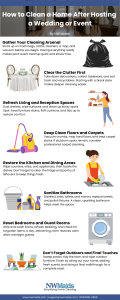
Gather Essential Supplies

Before diving in, collect everything you’ll need: trash bags, recycling bins, microfiber cloths, a mop, vacuum, all-purpose cleaner, glass cleaner, and disinfectant wipes.

Having supplies ready makes after-event cleaning smoother and more efficient.

Clear Out Trash and Decorations

Start by removing bulky items, balloons, banners, centerpieces, and other décor. Collect disposable tableware, napkins, and leftover food packaging.

Sorting recyclables and trash early gives you a clear workspace for deeper cleaning.

Cleaning the Living and Reception Areas

Dusting and Surface Care

Dust and debris accumulate quickly during events. Use a microfiber cloth to wipe down shelves, tables, window sills, and light fixtures.

Pay attention to drink and food stations where sticky spots often go unnoticed.

Furniture and Upholstery

Check sofas and chairs for spills or crumbs. Spot-treat stains with a fabric-safe cleaner, and condition leather to keep it looking fresh.

Fluff pillows and straighten cushions to restore order to reception spaces.

Floors and Carpets

Sweep or vacuum to remove crumbs and dirt, then mop hard floors.

For carpets, deep vacuuming or spot treatment may be needed. If stains are stubborn, consider a professional carpet cleaning service for best results.

How to Clean a Home After Hosting a Wedding or Event

Kitchen and Dining Areas

Cleaning Counters and Appliances

The kitchen usually takes the hardest hit. Wipe down counters, stovetops, and sinks with an all-purpose cleaner.

Don’t forget small appliances like coffee makers or blenders—crumbs and spills hide here easily.

Dishes and Tableware

Wash dishes promptly so food doesn’t harden. Separate glassware, plates, and utensils for easy loading into the dishwasher.

Hand-wash delicate or vintage pieces to prevent damage.

Pantry and Refrigerator Check

Post-event leftovers pile up fast. Remove expired or unwanted items, sanitize refrigerator shelves, and reorganize your pantry.

This reduces waste and keeps your kitchen functional.

Bathrooms and Powder Rooms

Sanitizing Surfaces

Since bathrooms are high-traffic zones, disinfect sinks, counters, and mirrors. Scrub toilets thoroughly and replace hand towels.

Refill soap and tissue dispensers to maintain freshness.

Floor and Fixture Maintenance

Sweep and mop bathroom floors, paying extra attention to corners. Polish fixtures and faucets for a sparkling finish.

Bedrooms and Guest Areas

Linen and Bedding Care

Strip used linens and towels immediately. Wash them in hot water to sanitize, then replace with clean bedding.

This restores guest rooms quickly after overnight stays.

Decluttering and Tidying

Check for misplaced belongings—guests may leave items in drawers or on nightstands. Returning everything to order makes your home feel calm and organized again.

How to Clean a Home After Hosting a Wedding or Event

Outdoor Spaces and Patios

Removing Debris

Outdoor areas often collect confetti, petals, or trash. Sweep patios and decks, or use a hose to wash them down.

Wipe outdoor furniture to remove spills.

Maintaining Lawns and Gardens

Inspect lawns for litter or damage from outdoor seating and games. Water plants, repair trampled spots, and restore landscaping.

Final Touches

Air Freshening

Ventilate your home by opening windows or running fans. Use essential oils, candles, or natural air fresheners to eliminate lingering odors from food and drinks.

Inspection and Organization

Do a final walkthrough. Rearrange furniture, check for overlooked messes, and ensure each room feels reset.

This last step brings a sense of completion to your post-event cleaning routine.

How to Clean a Home After Hosting a Wedding or Event

When to Consider Professional Help

Cleaning up after a wedding or big event can feel overwhelming. If the mess is extensive or time is short, consider hiring professional post-event cleaning services.

NW Maids specializes in after-wedding cleaning and event cleanup, ensuring your home is spotless without the stress.

Final Thoughts

Hosting a wedding or large gathering at home is a wonderful experience, but it comes with a major cleanup.

By following this after-event cleaning checklist—from clearing decorations and sanitizing bathrooms to restoring outdoor spaces—you’ll bring your home back to comfort and beauty.

And when the task feels too big, NW Maids is here to help with expert, stress-free cleaning solutions.

Ready to simplify your post-event cleaning?

Contact NW Maids today for professional after-event cleaning services and enjoy a spotless home without the hassle.

Related Posts:

← Holiday Cleanup Guide: How to Tidy Up After Guests

How to Keep a Tidy Home When You’re a Pet Owner →