General

Basement Cleaning Guide: Safety, Organization, and Maintenance

Basement Cleaning Guide: Safety, Organization, and Maintenance

A clean basement is more than just an organized space; it’s a healthier and safer environment for your family.

Dust, mold, and clutter in basements can impact air quality, increase safety risks, and damage your belongings.

Following a proper basement cleaning guide ensures your space is safe, functional, and well-maintained.

How to Clean a Basement Safely and Effectively

Why a Clean Basement Matters

A clean basement prevents more than just mess. Basements are prone to moisture accumulation, dust buildup, and mold growth, which can trigger allergic reactions, respiratory problems, and skin irritation.

Cluttered areas can also hide structural damage such as cracks, leaks, or water intrusion. Regular basement cleaning prevents rodents and insects from making a home in your space, protecting both your property and your family’s health.

How to Clean a Basement Safely and Effectively

How to Clean a Basement Safely and Effectively

1. Prepare for the Cleaning Process

Gather Protective Equipment

Before starting any basement cleaning, wear gloves, safety goggles, and masks to protect against dust, mold spores, and chemical cleaners.

Open windows and use fans to improve ventilation, reducing airborne particles that can affect your health.

Collect Essential Cleaning Supplies

Ensure you have tools like brooms, vacuum cleaners with HEPA filters, mops, buckets, cleaning solutions, garbage bags, and storage bins.

Proper preparation makes basement cleaning faster, safer, and more effective.

2. Remove Clutter and Organize Items

Sort Through Belongings

Remove all items from the basement and categorize them into keep, donate, discard, or relocate.

This step helps with basement decluttering and identifies potential hazards such as mold-damaged or water-ruined belongings.

Use Storage Solutions

After clearing clutter, implement storage solutions like shelves, bins, and racks. Elevating items off the floor protects them from water damage and simplifies future cleaning.

3. Dry and Inspect the Space

Check for Moisture

Basements are highly susceptible to dampness. Examine walls, floors, and corners for leaks or water damage.

Using a dehumidifier helps maintain low humidity levels, reducing the risk of mold growth and improving basement air quality.

Repair Damage

Seal cracks, fix leaks, and replace damaged materials.

Addressing these issues prevents further damage and reduces the need for extensive cleaning later.

4. Dusting and Sweeping

Remove Surface Dust

Clean all surfaces, including shelves, furniture, and ledges.

A microfiber cloth or vacuum attachment effectively removes fine dust particles.

Sweep Floors Thoroughly

Sweep all floors, especially corners and under furniture. A stiff-bristle broom works well for concrete or tile flooring. Regular sweeping improves air quality and reduces dirt buildup.

How to Clean a Basement Safely and Effectively

5. Deep Clean Basement Surfaces

Clean Walls and Ceilings

Over time, walls and ceilings collect grime and mold. Use a mild detergent solution and, when necessary, apply a mold-killing treatment.

Always follow safety instructions for chemical cleaners.

Mop the Floors

After dusting and sweeping, mop the floors with warm water and the appropriate cleaning solution.

Concrete floors benefit from neutral cleaners, while tile may require stronger solutions.

Ensure floors are dry to prevent slips and future moisture issues.

6. Address Mold and Mildew

Identify Problem Areas

Check walls, floors, and stored items for discoloration, musty odors, or visible mold. Early detection prevents widespread mold infestations.

Treat Mold Safely

Wear protective gear and use commercial mold removers or a vinegar-and-water solution for small areas. Scrub affected surfaces thoroughly and dispose of unsalvageable materials.

Maintaining low humidity prevents mold recurrence and ensures long-term basement moisture control.

7. Improve Air Quality

Ventilate the Space

Good airflow is key to a healthy basement. Open windows, use fans, and consider an air purifier to remove dust and odors.

Inspect HVAC and Ductwork

Basements often house HVAC systems. Regular cleaning of vents and ducts keeps allergens from circulating throughout your home and extends equipment life.

8. Dispose of Waste Responsibly

Separate Trash and Recycling

Sort discarded items into trash and recycling.

Dispose of hazardous materials, like old paint, chemicals, or batteries, at designated facilities to prevent environmental contamination.

Schedule Regular Cleanouts

Basements naturally accumulate unnecessary items over time.

Routine cleaning sessions maintain organization and reduce clutter.

How to Clean a Basement Safely and Effectively

Establish a Basement Maintenance Routine

Weekly and Monthly Tasks

Weekly tasks include sweeping and checking for moisture, while monthly tasks can involve dusting surfaces, inspecting stored items, and vacuuming vents.

Seasonal Deep Cleaning

At least twice a year, perform a thorough basement deep cleaning: move items, clean walls and floors, and inspect for leaks or mold.

Seasonal maintenance keeps your basement safe, functional, and clutter-free.

How to Clean a Basement Safely and Effectively

Safety Tips for Basement Cleaning

  • Wear non-slip shoes to avoid accidents on wet floors.

  • Avoid overloading electrical outlets when using cleaning equipment.

  • Keep hazardous chemicals out of reach of children and pets.

  • Never mix cleaning products like bleach and ammonia, which can create toxic fumes.

How to Clean a Basement Safely and Effectively

Conclusion: Clean Basements Are Safe Basements

Cleaning a basement safely and effectively involves preparation, decluttering, moisture management, and proper cleaning methods.

Protect yourself with gloves, masks, and goggles while handling chemicals, and maintain your space with regular cleanings.

For stress-free results, professional cleaning services like NW Maids can keep your basement and your entire home in top condition without the hassle.

Related Posts:

← Top Traits of an Exceptional House Cleaner

The Best Green Cleaning Products for Every Room →

Enzyme Cleaners Explained: How to Use Them Effectively

Enzyme Cleaners Explained: How to Use Them Effectively

Enzyme-based cleaners are a powerful, eco-friendly solution for removing tough stains and persistent odors that traditional cleaning products often fail to handle.

Designed to break down organic messes through natural biological processes, enzyme cleaners provide effective results without relying on harsh chemicals.

Many homeowners prefer enzyme cleaners for pet accidents, food spills, and greasy surfaces, thanks to their reliability and versatility.

How to Use Enzyme Cleaners Properly

What Are Enzyme Cleaners?

Enzyme cleaners contain specialized enzymes that target and dissolve organic substances. Unlike conventional cleaners that may only mask odors or rely on aggressive chemicals, enzyme cleaners attack the source of the problem. Each enzyme serves a specific purpose:

  • Proteases break down proteins.

  • Amylases digest starches.

  • Lipases decompose fats and oils.

When combined, these enzymes form a versatile cleaning solution capable of handling stubborn household stains that standard cleaners often struggle with.

How Enzyme Cleaners Work on Different Surfaces

Enzyme cleaners are most effective on organic-based stains and odors, such as food spills, pet urine, wine, and sweat.

The enzymes break down these substances into smaller components that natural processes can neutralize.

Unlike chemical cleaners that mask odors temporarily, enzyme cleaners remove them at the source, preventing smells from returning once the fragrance fades.

These cleaners are safe for multiple surfaces, including carpets, upholstery, hardwood floors, tile, and grout. When used correctly, they won’t harm fibers or finishes, unlike bleach or ammonia-based products.

Benefits of Choosing Enzyme Cleaners

Some of the key advantages of enzyme cleaners include:

  • Eco-friendly formula: Uses natural proteins instead of harsh chemicals, making them safe for children and pets.

  • Low indoor air pollution: No strong fumes or irritants.

  • Versatility: A single bottle can tackle multiple cleaning tasks, reducing the need for specialized products.

How to Use Enzyme Cleaners Properly

How to Use Enzyme Cleaners Correctly

Read the Label Carefully

Always follow the manufacturer’s instructions. Some enzyme cleaners require dilution, while others can be applied directly. Proper preparation ensures the best results.

Test on a Small Area First

Even though enzyme cleaners are gentle, test them on a hidden spot of fabric, carpet, or flooring to avoid discoloration or damage.

Apply Generously to the Stain

For optimal results, ensure the cleaner fully saturates the stain or odor source. For pet urine, treat both the surface fibers and the padding underneath.

Allow Time for Enzymes to Work

Enzymes need time to break down organic matter. Most products require 10–15 minutes, but tough stains may need several hours or overnight treatment. Covering the area with a damp cloth can keep enzymes active longer.

Blot, Don’t Scrub

After the enzymes have worked, blot the area with a clean cloth or paper towel. Avoid scrubbing, which can spread the stain and damage surfaces.

Rinse When Necessary

Some enzyme cleaners need to be rinsed, while others can remain on the surface. If rinsing is required, use a damp cloth or spray bottle to remove residue, preventing buildup.

Reapply for Persistent Odors

Stubborn odors, such as pet urine in carpets, may need multiple applications. Apply, let sit, and blot until completely eliminated.

Store the Cleaner Correctly

Store enzyme cleaners in a cool, dry place, away from sunlight and extreme temperatures to maintain effectiveness.

How to Use Enzyme Cleaners Properly

Common Mistakes to Avoid When Using Enzyme Cleaners

  • Using too little product: Saturate the area for best results.

  • Not allowing enough time: Patience ensures enzymes fully break down stains.

  • Mixing with other cleaners: Avoid combining with bleach, ammonia, or harsh chemicals, as this deactivates enzymes.

How to Use Enzyme Cleaners Properly

Best Places to Use Enzyme Cleaners in Your Home

  • Carpets and Rugs: Ideal for pet accidents and food spills.

  • Upholstery and Mattresses: Removes body oils, sweat, and accidental spills. Always check fabric labels first.

  • Kitchen and Bathroom Surfaces: Effective against grease, soap scum, and mildew, especially in drains.

  • Laundry Pre-Treatment: Boosts detergent effectiveness on protein-based stains like grass, blood, or food.

How to Use Enzyme Cleaners Properly

Conclusion

For households dealing with stubborn stains and persistent odors, enzyme cleaners provide a safe, eco-friendly, and effective solution.

By following these tips, using enough product, allowing adequate time, and avoiding chemical mixing, you can achieve lasting results while protecting your surfaces.

And if maintaining your home feels overwhelming, NW Maids can help. Our professional team will handle your household cleaning tasks, leaving your home fresher, cleaner, and healthier.

Related Posts:

← The Best Green Cleaning Products for Every Room

How to Clean Houseplant Leaves →

How to Declutter and Clean a Garage in One Weekend

How to Declutter and Clean a Garage in One Weekend

The garage is one of the most common areas in the home to collect clutter; boxes, tools, sports gear, and forgotten odds and ends often pile up until it feels overwhelming. But with the right approach, you can reclaim that space in just two days.

This step-by-step guide shows you how to declutter and clean a garage in one weekend using a structured plan that saves time and delivers lasting results.

How to Declutter and Clean a Garage in One Weekend

Why a Clean and Organized Garage Matters

An organized garage does more than improve appearance—it enhances safety and efficiency.

A clutter-free garage reduces fire hazards, makes tools and supplies easier to access, and helps prevent tripping accidents.

It can even boost your home’s resale value. Best of all, having a tidy space reduces stress and gives you a sense of control over your home environment.

How to Declutter and Clean a Garage in One Weekend

How to Declutter and Clean a Garage in One Weekend: Step-by-Step Plan

Step 1: Prepare Ahead of Time

Before you start, gather everything you’ll need: heavy-duty trash bags, storage bins, labels, a broom, mop, microfiber cloths, and a reliable all-purpose cleaner.

Planning ahead ensures your weekend garage cleaning project goes smoothly without interruptions.

Step 2: Empty the Garage Completely

Take everything out of the garage and move it into the driveway or yard.

This allows you to see exactly what you own and gives you a clean slate for deep cleaning.

As you remove items, sort them into four piles: keep, donate, sell, or toss.

Step 3: Declutter Methodically

Decluttering is the most important part of the process. Ask yourself: Do I use this regularly? Do I really need it? If not, it’s time to let it go. Items unused for over a year should be donated or discarded. Keep only what adds value to your home and lifestyle. Use bins, shelves, and racks for the things you keep.

Step 4: Deep Clean the Garage

With the garage empty, clean it thoroughly. Start at the top by sweeping cobwebs and dusting shelves. Vacuum or sweep the floor, then mop to remove dirt and grime.

For stubborn oil stains on concrete, use a degreaser. Wipe down walls, cabinets, and bins with a mild cleaning solution for a fresh finish.

Step 5: Inspect for Repairs

This is the perfect time to spot hidden issues. Check for cracks in the foundation, leaks, water damage, or signs of pests.

Make small fixes like replacing damaged hooks, tightening shelves, or sealing gaps to keep your garage safe and functional.

Step 6: Organize Smartly

When putting things back, think strategically. Group items by category—gardening tools, sports gear, holiday decorations. Invest in garage storage solutions like wall-mounted hooks, overhead racks, pegboards, and labeled bins.

Keep frequently used items within easy reach, while storing seasonal items higher up.

Step 7: Create a Simple Maintenance Routine

To keep your garage clutter-free, adopt a maintenance routine. Sweep floors weekly, check for broken or expired items monthly, and do a seasonal decluttering session.

Small, regular efforts prevent the mess from building up again.

Step 8: Use Smart Storage Solutions

Maximize your garage’s potential with clever storage. Clear bins make it easy to see contents, pegboards are ideal for tools, and shelving keeps vertical space useful.

Overhead racks are perfect for bulky seasonal gear. The goal is to give every item a designated spot.

Step 9: Put Safety First

Always prioritize safety. Wear gloves to protect your hands, and use a mask if dust levels are high.

Be careful when lifting heavy items and keep pathways clear. A safe garage is just as important as a clean one.

Step 10: Enjoy Your Transformed Garage

Once everything is back in place, take a step back and admire the results. You’ve successfully completed a garage deep clean in one weekend.

Add finishing touches like a small workbench, rubber floor mats, or labeled storage bins to keep the space functional and welcoming.

How to Declutter and Clean a Garage in One Weekend

Tips for Keeping a Clutter-Free Garage

  • Label everything: Make it easy to put items back in their place.

  • Follow the “One In, One Out” rule: For every new item you bring in, remove something old.

  • Rotate seasonally: Store only what you need for the current season.

  • Keep a donation bin handy: Make donating unwanted items a regular habit.

How to Declutter and Clean a Garage in One Weekend

When to Call in Professionals

Decluttering and deep cleaning a garage in one weekend can be a big job—especially if you’re balancing family and work responsibilities. If you’d rather skip the hassle, consider hiring NW Maids.

Our professional cleaning team can help you maintain a spotless, organized garage so you can spend your weekends relaxing instead of cleaning.

Conclusion: A Weekend Well Spent

Now you know exactly how to declutter and clean a garage in one weekend. With a clear plan, determination, and the right tools, you can transform your garage into a safe, organized, and functional space.

The benefits go far beyond appearances—you’ll enjoy easier access to essentials, improved safety, and peace of mind knowing your garage is finally under control.

Related Posts:

← How to Clean Houseplant Leaves

Holiday Cleanup Guide: How to Tidy Up After Guests →

How to Clean a Home After Hosting a Wedding or Event

How to Clean a Home After Hosting a Wedding or Event

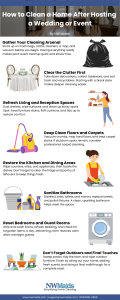
Hosting a wedding or large event at home is exciting and memorable—but it often leaves behind a big mess.

From decorations and food leftovers to spills and clutter, knowing how to clean a home after hosting a wedding or event is essential.

With the right post-event cleaning checklist, you can restore your space quickly and efficiently while keeping your home spotless and welcoming.

How to Clean a Home After Hosting a Wedding or Event

The Importance of Post-Event Cleaning

After-party cleanup isn’t just about appearances. Food debris, spills, and trash can attract pests, cause odors, and even damage furniture or flooring.

A thorough post-wedding cleaning ensures your home is hygienic, prevents stains from setting in, and helps you relax knowing your home is fully restored.

How to Clean a Home After Hosting a Wedding or Event

Preparing for the Cleanup

Gather Essential Supplies

Before diving in, collect everything you’ll need: trash bags, recycling bins, microfiber cloths, a mop, vacuum, all-purpose cleaner, glass cleaner, and disinfectant wipes.

Having supplies ready makes after-event cleaning smoother and more efficient.

Clear Out Trash and Decorations

Start by removing bulky items, balloons, banners, centerpieces, and other décor. Collect disposable tableware, napkins, and leftover food packaging.

Sorting recyclables and trash early gives you a clear workspace for deeper cleaning.

Cleaning the Living and Reception Areas

Dusting and Surface Care

Dust and debris accumulate quickly during events. Use a microfiber cloth to wipe down shelves, tables, window sills, and light fixtures.

Pay attention to drink and food stations where sticky spots often go unnoticed.

Furniture and Upholstery

Check sofas and chairs for spills or crumbs. Spot-treat stains with a fabric-safe cleaner, and condition leather to keep it looking fresh.

Fluff pillows and straighten cushions to restore order to reception spaces.

Floors and Carpets

Sweep or vacuum to remove crumbs and dirt, then mop hard floors.

For carpets, deep vacuuming or spot treatment may be needed. If stains are stubborn, consider a professional carpet cleaning service for best results.

How to Clean a Home After Hosting a Wedding or Event

Kitchen and Dining Areas

Cleaning Counters and Appliances

The kitchen usually takes the hardest hit. Wipe down counters, stovetops, and sinks with an all-purpose cleaner.

Don’t forget small appliances like coffee makers or blenders—crumbs and spills hide here easily.

Dishes and Tableware

Wash dishes promptly so food doesn’t harden. Separate glassware, plates, and utensils for easy loading into the dishwasher.

Hand-wash delicate or vintage pieces to prevent damage.

Pantry and Refrigerator Check

Post-event leftovers pile up fast. Remove expired or unwanted items, sanitize refrigerator shelves, and reorganize your pantry.

This reduces waste and keeps your kitchen functional.

Bathrooms and Powder Rooms

Sanitizing Surfaces

Since bathrooms are high-traffic zones, disinfect sinks, counters, and mirrors. Scrub toilets thoroughly and replace hand towels.

Refill soap and tissue dispensers to maintain freshness.

Floor and Fixture Maintenance

Sweep and mop bathroom floors, paying extra attention to corners. Polish fixtures and faucets for a sparkling finish.

Bedrooms and Guest Areas

Linen and Bedding Care

Strip used linens and towels immediately. Wash them in hot water to sanitize, then replace with clean bedding.

This restores guest rooms quickly after overnight stays.

Decluttering and Tidying

Check for misplaced belongings—guests may leave items in drawers or on nightstands. Returning everything to order makes your home feel calm and organized again.

How to Clean a Home After Hosting a Wedding or Event

Outdoor Spaces and Patios

Removing Debris

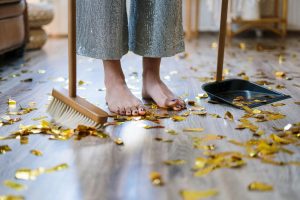
Outdoor areas often collect confetti, petals, or trash. Sweep patios and decks, or use a hose to wash them down.

Wipe outdoor furniture to remove spills.

Maintaining Lawns and Gardens

Inspect lawns for litter or damage from outdoor seating and games. Water plants, repair trampled spots, and restore landscaping.

Final Touches

Air Freshening

Ventilate your home by opening windows or running fans. Use essential oils, candles, or natural air fresheners to eliminate lingering odors from food and drinks.

Inspection and Organization

Do a final walkthrough. Rearrange furniture, check for overlooked messes, and ensure each room feels reset.

This last step brings a sense of completion to your post-event cleaning routine.

How to Clean a Home After Hosting a Wedding or Event

When to Consider Professional Help

Cleaning up after a wedding or big event can feel overwhelming. If the mess is extensive or time is short, consider hiring professional post-event cleaning services.

NW Maids specializes in after-wedding cleaning and event cleanup, ensuring your home is spotless without the stress.

Final Thoughts

Hosting a wedding or large gathering at home is a wonderful experience, but it comes with a major cleanup.

By following this after-event cleaning checklist—from clearing decorations and sanitizing bathrooms to restoring outdoor spaces—you’ll bring your home back to comfort and beauty.

And when the task feels too big, NW Maids is here to help with expert, stress-free cleaning solutions.

Ready to simplify your post-event cleaning?

Contact NW Maids today for professional after-event cleaning services and enjoy a spotless home without the hassle.

Related Posts:

← Holiday Cleanup Guide: How to Tidy Up After Guests

How to Keep a Tidy Home When You’re a Pet Owner →

The Science of Dust: What It’s Really Made Of
The Science of Dust: What It’s Really Made Of

A fine layer of dust on shelves or countertops may seem ordinary, but it’s far more complex than it looks. This everyday buildup of airborne particles provides surprising insights into your health, home environment, and even the world outside.

By understanding what household dust is made of, you’ll not only keep your home cleaner but also improve your overall indoor air quality.

The Science of Dust: What It’s Really Made Of

Why Understanding Dust Matters

Health Implications of Dust

Dust isn’t just unsightly—it can directly affect your health.

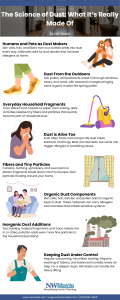
Household dust particles often include pollen, pet dander, and dust mites, all of which can trigger sneezing, coughing, and skin irritation.

For people with asthma or allergies, these particles can significantly worsen symptoms.

Dust also contains bacteria, mold spores, and fine particulate matter that reduce indoor air quality. Over time, constant exposure to these contaminants may contribute to respiratory problems, fatigue, or headaches.

Environmental Insights from Dust

Dust also serves as an environmental marker. Scientists study dust composition to learn about air pollution levels, regional plant species, and even how people live inside their homes.

Because dust collects both indoor debris and outdoor particles, it provides a unique snapshot of your living environment.

The Science of Dust: What It’s Really Made Of

The Building Blocks of Dust

Human and Pet Contributions

One of the biggest contributors to indoor dust is us—humans and pets.

People shed millions of skin cells every day, many of which become part of household dust. Clothing and upholstery also release microscopic fibers that float in the air before settling on surfaces.

Pets add fur and dander to the mix, creating a unique dust profile in every home. If you own a dog or cat, your dust will naturally contain higher levels of pet-related allergens.

Outdoor Particles

Not all dust originates indoors. Outdoor dust particles enter your home through windows, doors, and HVAC systems. Common contributors include soil, pollen, and pollutants from vehicles and industry.

Seasonal changes make a difference too—spring pollen and autumn leaves release organic matter that easily becomes part of your household dust.

Household Material Fragments

Daily activities create dust from household materials. Fabrics, carpets, and furniture release fibers, while paper, cardboard, and cooking generate fine particles.

Something as simple as opening a book or folding laundry can release fragments into the air.

Microbial Life in Dust

Dust isn’t only made of dead matter—it also harbors living organisms.

Dust mites feed on shed skin cells and thrive in warm, humid areas. Alongside mites, dust often contains bacteria and fungi.

While most are harmless, some microorganisms can trigger allergic reactions or worsen respiratory conditions, underscoring the importance of dust control in homes.

The Science of Dust: What It’s Really Made Of

The Composition of Dust in Detail

Fibers and Particles

Microscopic analysis reveals that dust is a complex mixture of fibers and fragments. Textile fibers from curtains, upholstery, and clothing are especially common.

Paint chips, paper shreds, and even tiny bits of plastic can also be found, varying from home to home.

Organic Matter

Organic elements in dust include hair, skin cells, pet dander, and pollen. These materials often carry microbes and allergens, especially when exposed to heat or moisture.

For allergy sufferers, this type of organic dust is often the main culprit.

Inorganic Material

In addition to organic matter, dust contains inorganic components like soil particles, fragments of building materials, and trace metals.

In urban settings, pollution adds high levels of fine particulate matter, further complicating the dust composition in homes.

Dust and Indoor Air Quality

How Dust Travels

Dust never stays still. Air circulation from fans, heating systems, and daily movement keeps dust particles suspended in the air, spreading them throughout your living space.

This explains why electronics, ceiling fans, and hard-to-reach corners often accumulate significant buildup.

Managing Dust Effectively

Understanding what dust is made of is the first step toward managing it. A few effective strategies include:

  • Vacuuming regularly with a HEPA filter vacuum

  • Dusting with microfiber or damp cloths

  • Washing bedding, curtains, and upholstered furniture often

  • Keeping humidity levels balanced to discourage dust mites

For homeowners who prefer a professional touch, NW Maids cleaning services specialize in tackling dust at the source, leaving your home cleaner, healthier, and more comfortable.

The Science of Dust: What It’s Really Made Of
Fun Facts About Dust

Ancient Dust

Dust has been around for centuries. Archaeologists use layers of ancient household dust to uncover details about food, daily life, and environmental conditions.

This makes dust a time capsule of history.

Dust Diversity

No two homes have the same dust. Its composition depends on climate, location, and lifestyle habits. Rural homes may contain more soil and pollen, while urban homes collect pollution-based dust particles.

This diversity makes dust surprisingly unique to every household.

The Science of Dust: What It’s Really Made Of

Conclusion: The Science of Dust and Your Home

The science of dust reveals just how much information these tiny particles carry.

From organic matter like skin cells and pet dander to inorganic pollutants and microbial life, dust is a complex and ever-changing mix.

By learning more about what dust is really made of, you can adopt better cleaning strategies to protect your health and improve indoor air quality.

And if you’d rather leave the job to the experts, NW Maids offers professional cleaning services designed to eliminate dust buildup and keep your home fresh, healthy, and dust-free.

Related Posts:

← How to Keep a Tidy Home When You’re a Pet Owner

Essential Cleaning Tips for Airbnb Hosts to Get 5-Star Reviews →

Top Traits of an Exceptional House Cleaner

Top Traits of an Exceptional House Cleaner

When it comes to keeping a welcoming and comfortable home, few things matter more than cleanliness. A spotless kitchen, a sparkling bathroom, and a dust-free living room create the perfect environment to relax.

Many homeowners discover that life becomes much easier when they hire professional house cleaning services.

While good cleaning products play a role, the true difference comes from the cleaners themselves.

The top traits of an exceptional house cleaner combine skill, professionalism, and personality, transforming a simple service into a truly outstanding experience.

Top Traits of an Exceptional House Cleaner

Why Exceptional House Cleaners Matter

Choosing the right cleaner isn’t just about convenience; it’s about creating a healthier, happier living environment.

Exceptional house cleaners don’t just tidy up; they eliminate hidden dust, allergens, and germs that quick cleanups often miss.

A trained expert knows where bacteria linger and how to improve air quality.

By hiring a professional or even supplementing with tools like robot vacuums, homeowners reclaim valuable time to spend with family, hobbies, or simply enjoying a neat home.

Top Traits of an Exceptional House Cleaner

What Makes a Good House Cleaner?

To understand the qualities of a great house cleaner, it’s important to recognize the specific traits that set exceptional cleaners apart. Below are the top characteristics of a good house cleaner that ensure lasting satisfaction.

Strong Attention to Detail

The skills of an exceptional house cleaner start with a sharp eye for detail. Exceptional cleaners notice what others overlook such as baseboards, faucets, high shelves, and behind furniture.

Their commitment ensures every corner looks fresh, leading to visible improvements from the very first visit.

Consistency in Performance

Reliability builds trust. Trustworthy house cleaners provide the same level of quality each time, not just occasionally.

This consistency shows dedication to high standards and keeps clients confident that their home will always be cared for properly.

Respect for Your Home and Belongings

Inviting someone into your home requires trust. The characteristics of a good house cleaner include respect for your belongings, family routines, and personal space.

Exceptional cleaners move carefully and treat every item as if it were their own.

Effective Time Management

Great cleaners know how to balance efficiency with quality. Using systematic methods, they maximize results without wasting time, leaving your home spotless while allowing you to focus on other priorities.

Flexibility and Adaptability

Every home is unique. Reliable house cleaners adapt to floor types, family needs, pets, and even eco-friendly cleaning preferences.

This flexibility ensures a personalized cleaning plan tailored to your lifestyle.

Knowledge of Proper Cleaning Techniques

The skills of an exceptional house cleaner go beyond scrubbing. Professionals understand how to care for wood, stainless steel, and natural stone without causing damage.

This expertise prevents costly mistakes and extends the life of your home’s surfaces.

Reliability and Punctuality

Being on time is more than a courtesy, it’s professionalism. Punctual and reliable cleaners respect your schedule, arriving as promised and completing tasks on time.

This dependability gives homeowners peace of mind.

Professionalism and Discretion

The qualities of a great house cleaner include professionalism in every interaction. From clear communication to respecting household rules, they ensure comfort and confidentiality so clients feel secure in their own homes.

Physical Stamina and Energy

Cleaning requires endurance. Exceptional cleaners maintain steady energy to tackle everything from scrubbing tiles to vacuuming stairs. Their stamina ensures both large and small tasks are done thoroughly.

Excellent Communication Skills

Good communication bridges the gap between expectations and results. House cleaners with strong communication skills listen carefully, ask clarifying questions, and provide updates to ensure client satisfaction.

Commitment to Hygiene and Safety

An exceptional house cleaner goes beyond appearances. They practice proper sanitation, use separate cloths for bathrooms and kitchens, and handle cleaning chemicals safely, protecting both your home and your health.

Positive Attitude and Strong Work Ethic

Attitude shapes results. Cleaners who approach their work with positivity and pride never cut corners.

Their dedication ensures each cleaning session leaves your home feeling fresh and cared for.

Ability to Work Independently

The characteristics of a good house cleaner also include independence.

Exceptional cleaners need little supervision, taking initiative and ensuring the job gets done with professionalism while clients focus on other tasks.

Top Traits of an Exceptional House Cleaner

NW Maids: A Cleaning Service You Can Trust

The top traits of an exceptional house cleaner include attention to detail, reliability, professionalism, and respect, all of which contribute to creating a clean, healthy home.

If you’re searching for professional house cleaning services that embody these qualities, look no further than NW Maids. Their team of reliable and trustworthy house cleaners consistently delivers high-quality service.

With NW Maids, you can enjoy not just a spotless home but also complete peace of mind, knowing every cleaner demonstrates the skills of an exceptional house cleaner with every visit.

Related Posts:

← Essential Cleaning Tips for Airbnb Hosts to Get 5-Star Reviews

Rainy Season Mudroom Cleaning Guide →