
How to Clean a Washing Machine
by
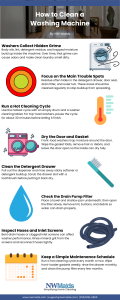
So, why does a washing machine get dirty in the first place, right? It comes in contact with human body oils, collects lint, and often remains wet. This combination usually makes it smell bad and causes your clothing to smell bad. Sometimes your clothes can even get gray discolorations, and it can create stubborn mineral deposits on the tub and the hoses.
If you clean your laundry machine regularly, it ensures the parts can move freely and reduces unexpected leaks. The reason it’s important is because the wash cycle removes dirt from clothing before it flows out to the drain. Soil particles remain hidden in four specific areas: the detergent drawer, the door seal, the filter, and the outer tub.
This accumulation of residue actually creates an environment that supports mildew growth, which is bad. It also traps pet hair and allows grime to return onto towels and gym equipment. If you’ve ever done a laundry cycle and your clothes are still dirty or they smell weird, this is probably why. If you have a regular maintenance schedule for your laundry machine, the laundry will remain odorless, which is kind of the point, right?
Gather Your Supplies
Here’s what you want to do first of all: gather your supplies. You should have:
- Microfiber cloths
- An old toothbrush (ideally not a new toothbrush that you’re using currently)
- A small bowl
- Rubber gloves
- A shallow pan for water drainage
- Washer tablets specifically for cleaning your washing machine (if you don’t have that, chlorine bleach will work as well)
- White vinegar > Important Note: Make sure to only use white vinegar to clean the hard plastic components and not the rubber seals, because vinegar can degrade the rubber seals.
The first thing to do is remove all of the laundry from the drum. Obviously, make sure that you check for any hidden socks that might have got stuck in there. Pull the machine forward because you want to be able to access the drain hose in the rear panel, and then disable the water supply valves. After that, make sure the area is well ventilated, so turn on the bathroom fan.
How to Clean a Top-Load Washer
If you have a top-load washer, you basically want to set a cycle for the most extreme setting, so the highest temperature water.
- Make sure the drum is empty.
- Add the washer cleaner tablets.
- When the water is full, stop the cycle and let it rest for about 30 minutes.
- After that, you can complete the cycle.
- Next, you need to wipe down the entire unit, focusing on the lid underside, the rim, and the agitator base because that’s where all the scum accumulates.
How to Clean a Front-Load Washer
If you have a front loader, a lot of those will trap moisture at the door.
- Do the most intense cycle with the hottest water.
- Use a washer tablet or the amount of bleach that you want (usually it’s a 4:1 ratio diluted with water).
- Run it with the drum empty.
- Make sure that the door stays open after the cycle ends because you want the interior section to dry completely.
Scrub the Door Gasket and Glass
Open the door, peel back the little rubber gasket folds, and you should be intent on finding hair, coins, and black specks. Use a cloth soaked in warm soapy water to clean the folds. Then you can use that old toothbrush to reach the narrow spaces. You can use diluted bleach on a cloth to treat the mildew spots if you see any. Make sure you dry the gasket completely to ensure there’s no remaining moisture on there.
Cleaning the Components
1. The Detergent Drawer and Housing
Pull the dispenser out as far as it goes. Press the release tab and you can remove it. You can clean the filter by running warm water over it and use a brush to remove the sticky softener buildup from its corners. Then you can use that toothbrush again to clean the drawer slot inside the machine. Make sure everything is dry before you put it back in.
2. The Drain Pump Filter
Front loaders have a small door that allows users to access the front bottom section of the machine. Place a towel and a shallow pan under that. Open the cover slowly because it’s going to drain some water out of there. Unscrew the filter cap, pull the filter out, and then you have to remove lint, buttons, and debris. Rinse the filter and clean the cavity.
When you’re installing the filter back, make sure that you install it tightly but without any excessive force. Sometimes what’ll happen is cross-threading—like when you screw something on but it goes into the wrong threads. You want to make sure to avoid that.
3. The Drain Hose and Standpipe
If the drain system is blocked, obviously a washer is not going to function properly. You have to inspect the drain hose for bent parts, which need to be positioned correctly away from the standpipe to prevent siphoning. If anything is bent in the hose, you need to unbend it.
If you smell sewer gas, that’s actually not a problem with the laundry machine. That means that there’s a problem in the plumbing trap instead of the machine. You might want to call a plumber at that point so they can check that the venting system and the trap are working correctly.
4. Exterior and Controls
A lot of dust and detergent mist can land on the top of the panel and the controls. You can just use a microfiber cloth with a little water added to it. Clean the exterior surface and then use a dry one to clean it as well.
Pro Tip: If you have a stainless steel finish on your laundry machine, when you’re cleaning it, you want to make sure to follow the grain direction. Otherwise, you might scratch it.
5. The Inlet Screens
A lot of those have mineral grit on them. Turn off the hot and cold valves, disconnect the hoses at the back of the washer, and then you can use pliers to take out the little screens. You can rinse them with water and put them back into place. When you connect the hoses back, make sure they’re not dripping.
Your Washing Machine Maintenance Schedule
Now you have a maintenance schedule that you can adhere to.
- Once a month or once every two months: Run that hot cycle again.
- Between washing cycles: Leave the door open or slightly open to prevent water and moisture from building up.
- Once a week (Front loaders): Wipe the gasket.
- Every few months: Clean the filter pump.
- Once a month: Rinse the drawer out if you’re using fabric softener.
Now you have a clean laundry machine and your clothes will always smell clean when they come out! That regular maintenance system will prevent unpleasant odors from accruing on your clothes.
By the way, if you have a weird, strong odor coming from your machine even after doing all this, there are three possible causes: either there’s water stagnation in the filter area, there are blocked drain tubes, or maybe you just left some wet laundry in there. So make sure to check that.
If you need any help with house cleaning services, NW Maids can help you with that. We can help you with general house cleaning, housekeeping, dusting, floor cleaning, bathroom maintenance, and kitchen tasks.
You are one click away from a beautiful home!
Join our mailing list!
Book a Cleaning in 60 Seconds