
Experiencing a flood at home can be truly distressing for homeowners as it causes harm and makes the cleanup process seem challenging.
Yet by being properly prepared and having instructions to follow along with guidance in place, you can effectively restore your home to its original condition.
This article offers a step-by-step guide that involves cleaning up after a flood, including all the tools needed, safety precautions to take, and procedures to adhere to.
Whether you’re facing a small leak or major water damage issues, these guidelines will empower you to approach the task effectively.

Essential Supplies for Cleaning Before You Begin
Before starting the cleanup after a flood incident, make sure you have all the tools and materials required to work efficiently on hand.
When dealing with floodwaters, they may have substances, like bacteria and chemicals in them, along with sewage content. Make sure you safeguard yourself by using the gear known as:
Personal Protective Equipment (PPE): Floodwaters often contain hazardous materials, including bacteria, chemicals, and sewage. It’s essential to protect yourself with the following:
- Rubber gloves
- Waterproof boots
- Goggles or face shield
- N95 mask for airborne contaminants
Cleaning Supplies
- Heavy-duty cleaning solution (disinfectant)
- Bleach (if appropriate)
- Brooms and mops
- Rags and sponges
- Buckets
Water Removal Equipment
- Wet/dry vacuum
- Sump pump (for larger floods)
- Dehumidifiers
- Tools for Structural Repairs:
- Hammer, screwdriver, and nails
- Saws (for cutting drywall or flooring)
- Utility knife
Storage Bags: You’ll need large, durable trash bags or plastic bins to dispose of damaged items.
Make sure you have these things prepared before starting the cleaning up to make everything go smoothly and prevent any delays that are not needed.
Step-by-Step Guide on How to Clean Up After Flood
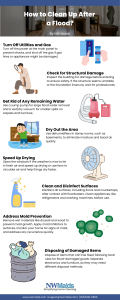
Step 1: Ensure Safety and Turn Off Utilities
Before starting any flood cleanup, your safety is the top priority. Follow these safety guidelines:
Shut off the electricity: Turn off the power supply to prevent any mishaps with the floodwaters, as water and electricity should not go together. Find your primary electrical panel and switch off the electricity to prevent any potential electric shocks.
Turn off the gas: Cut the gas supply if you think there has been any harm to your gas lines or appliances; it’s important to do this as a safety measure.
Check for structural damage: Make sure to inspect the building for any signs of damage before entering to ensure safety precautions are in place.
If there are concerns about the stability of the structure or if you believe that the foundation may need to be more secure, it is best to wait until professional assistance arrives.
Step 2: Get Rid of Any Remaining Water
The next thing you should do is remove any water to prevent mold growth and additional harm to your house structure.
Use a sump pump: Consider using a sump pump in cases of water levels are high, as it can efficiently eliminate amounts of water at once by redirecting it from your basement or lower floors.
Wet/dry vacuum: A wet/dry vacuum is handy for extracting water from carpets and furniture when dealing with smaller water spills.
Bail water by hand: Scoop out the water manually if you don’t have a pump or vacuum available; you can use buckets or containers for this task. Be prepared for it to be more time-consuming and require effort.
Step 3: Dry Out the Area
After getting rid of the water, the area is done with is important to dry out the space next, as having too much moisture can lead to the growth of mold, which is why drying is essential.
Set up dehumidifiers: Make sure to place dehumidifiers in rooms that tend to be damp, such as basements, as they can effectively draw out moisture from the air and improve the environmental quality of the space.
Open windows: Try opening the windows if the weather is nice to let in some air and help speed up the drying process in the area.
Use fans: Try using fans to spread air around the room and help dry things.

Step 4: Clean and Disinfect Surfaces
After a flood recedes and the area dries out completely from the floodwaters’ aftermath often comes bacteria, viruses and mold spores. Thus, it becomes crucial to clean and disinfect all surfaces to prevent any contamination risks from lingering.
Remove contaminated items: Remove any contaminated items, such as carpets or furniture that are badly damaged, to stop the bacteria or mold from spreading.
Clean surfaces: Make sure to clean all surfaces using a disinfectant or cleaning solution to scrub areas like floors and countertops thoroughly after they come into contact with floodwaters.
Sanitize appliances: Clean all appliances that touch floodwater, like refrigerators and washing machines, before using them. Consider hiring a professional to check and fix any broken appliances if needed.
Step 5: Address Mold Prevention
Following a flood incident, mold can develop in 1 to 2 days; hence, it is crucial to act to stop mold formation during the cleanup phase.
Remove wet materials: Get rid of items that have gotten wet, like drywall and wood. They could become a breeding ground, for mold if not taken care of quickly.
Use mold inhibitors: Consider using mold inhibitors as a measure against mold growth, as commercial products designed for this purpose can be applied to surfaces to inhibit mold formation.
Monitor the area: Keep an eye on the surroundings, even after you’ve finished cleaning up the space to get rid of mold; make sure to check your home for any signs of mold recurrence and take action if you spot any.
Step 6: Repair and Restore Your Home
After finishing the cleaning and sanitizing tasks successfully, that needs to be done before moving on to the step, which is fixing and reviving your living space.
Replacing flooring: When flood water damages carpets, wood floors, or tiles, you may need to consider replacing the flooring.
Repainting walls: You might have to repaint or put up wallpaper if the walls were damaged by the floodwaters and need a touch-up.
Fixing plumbing or electrical issues: Repairing plumbing or electrical problems is crucial, as flooding can lead to damage to the systems of your home or business premises.
Make sure to seek assistance from a professional if you detect any issues to guarantee that everything is functioning correctly and avoid further complications.
Step 7: Disposing of Damaged Items
It’s time to get rid of anything that can’t be fixed now that we’re done with it all. Remember to follow the rules in your area when you throw away things damaged by floods.
Consider separating electronics and furniture from garbage since these things might need different disposal methods.
Final Thoughts on Flood Cleanup
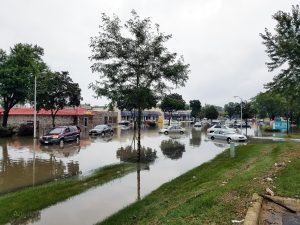
Dealing with the aftermath of a flood may seem overwhelming at first glance, but with proper planning and a systematic approach, it can be handled effectively and efficiently.
Remember to prioritize safety above all else, proceed through each task diligently, and don’t hesitate to seek expert assistance if necessary.
If you’re feeling swamped with cleaning tasks and need help rejuvenating your home appearance, consider NW Maids.
Our skilled team is here to assist in bringing your living space to its state through personalized cleaning and restoration services designed for you.
Related Posts:
- How to Freshen Up Your Stinky Sponge
- Simple Methods to Remove Candle Wax from Carpet
- Everything You Need to Know About Chest Freezer Dividers
- Why Does My Home Smell Musty? Causes and Solutions
← Toilet Cleaning Bombs Explained
House Cleaning Secrets Only the Pros Know (That You Can Learn Now!) →
