Kate Talens

The Science of Dust: What It’s Really Made Of

The Science of Dust: What It’s Really Made Of

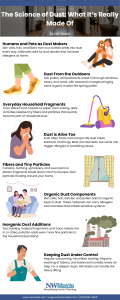
A fine layer of dust on shelves or countertops may seem ordinary, but it’s far more complex than it looks. This everyday buildup of airborne particles provides surprising insights into your health, home environment, and even the world outside.

By understanding what household dust is made of, you’ll not only keep your home cleaner but also improve your overall indoor air quality.

The Science of Dust: What It’s Really Made Of

Why Understanding Dust Matters

Health Implications of Dust

Dust isn’t just unsightly—it can directly affect your health.

Household dust particles often include pollen, pet dander, and dust mites, all of which can trigger sneezing, coughing, and skin irritation.

For people with asthma or allergies, these particles can significantly worsen symptoms.

Dust also contains bacteria, mold spores, and fine particulate matter that reduce indoor air quality. Over time, constant exposure to these contaminants may contribute to respiratory problems, fatigue, or headaches.

Environmental Insights from Dust

Dust also serves as an environmental marker. Scientists study dust composition to learn about air pollution levels, regional plant species, and even how people live inside their homes.

Because dust collects both indoor debris and outdoor particles, it provides a unique snapshot of your living environment.

The Science of Dust: What It’s Really Made Of

The Building Blocks of Dust

Human and Pet Contributions

One of the biggest contributors to indoor dust is us—humans and pets.

People shed millions of skin cells every day, many of which become part of household dust. Clothing and upholstery also release microscopic fibers that float in the air before settling on surfaces.

Pets add fur and dander to the mix, creating a unique dust profile in every home. If you own a dog or cat, your dust will naturally contain higher levels of pet-related allergens.

Outdoor Particles

Not all dust originates indoors. Outdoor dust particles enter your home through windows, doors, and HVAC systems. Common contributors include soil, pollen, and pollutants from vehicles and industry.

Seasonal changes make a difference too—spring pollen and autumn leaves release organic matter that easily becomes part of your household dust.

Household Material Fragments

Daily activities create dust from household materials. Fabrics, carpets, and furniture release fibers, while paper, cardboard, and cooking generate fine particles.

Something as simple as opening a book or folding laundry can release fragments into the air.

Microbial Life in Dust

Dust isn’t only made of dead matter—it also harbors living organisms.

Dust mites feed on shed skin cells and thrive in warm, humid areas. Alongside mites, dust often contains bacteria and fungi.

While most are harmless, some microorganisms can trigger allergic reactions or worsen respiratory conditions, underscoring the importance of dust control in homes.

The Science of Dust: What It’s Really Made Of

The Composition of Dust in Detail

Fibers and Particles

Microscopic analysis reveals that dust is a complex mixture of fibers and fragments. Textile fibers from curtains, upholstery, and clothing are especially common.

Paint chips, paper shreds, and even tiny bits of plastic can also be found, varying from home to home.

Organic Matter

Organic elements in dust include hair, skin cells, pet dander, and pollen. These materials often carry microbes and allergens, especially when exposed to heat or moisture.

For allergy sufferers, this type of organic dust is often the main culprit.

Inorganic Material

In addition to organic matter, dust contains inorganic components like soil particles, fragments of building materials, and trace metals.

In urban settings, pollution adds high levels of fine particulate matter, further complicating the dust composition in homes.

Dust and Indoor Air Quality

How Dust Travels

Dust never stays still. Air circulation from fans, heating systems, and daily movement keeps dust particles suspended in the air, spreading them throughout your living space.

This explains why electronics, ceiling fans, and hard-to-reach corners often accumulate significant buildup.

Managing Dust Effectively

Understanding what dust is made of is the first step toward managing it. A few effective strategies include:

  • Vacuuming regularly with a HEPA filter vacuum

  • Dusting with microfiber or damp cloths

  • Washing bedding, curtains, and upholstered furniture often

  • Keeping humidity levels balanced to discourage dust mites

For homeowners who prefer a professional touch, NW Maids cleaning services specialize in tackling dust at the source, leaving your home cleaner, healthier, and more comfortable.

The Science of Dust: What It’s Really Made Of

Fun Facts About Dust

Ancient Dust

Dust has been around for centuries. Archaeologists use layers of ancient household dust to uncover details about food, daily life, and environmental conditions.

This makes dust a time capsule of history.

Dust Diversity

No two homes have the same dust. Its composition depends on climate, location, and lifestyle habits. Rural homes may contain more soil and pollen, while urban homes collect pollution-based dust particles.

This diversity makes dust surprisingly unique to every household.

The Science of Dust: What It’s Really Made Of

Conclusion: The Science of Dust and Your Home

The science of dust reveals just how much information these tiny particles carry.

From organic matter like skin cells and pet dander to inorganic pollutants and microbial life, dust is a complex and ever-changing mix.

By learning more about what dust is really made of, you can adopt better cleaning strategies to protect your health and improve indoor air quality.

And if you’d rather leave the job to the experts, NW Maids offers professional cleaning services designed to eliminate dust buildup and keep your home fresh, healthy, and dust-free.

Related Posts:

← How to Keep a Tidy Home When You’re a Pet Owner

Essential Cleaning Tips for Airbnb Hosts to Get 5-Star Reviews →

Top Traits of an Exceptional House Cleaner

Top Traits of an Exceptional House Cleaner

When it comes to keeping a welcoming and comfortable home, few things matter more than cleanliness. A spotless kitchen, a sparkling bathroom, and a dust-free living room create the perfect environment to relax.

Many homeowners discover that life becomes much easier when they hire professional house cleaning services.

While good cleaning products play a role, the true difference comes from the cleaners themselves.

The top traits of an exceptional house cleaner combine skill, professionalism, and personality, transforming a simple service into a truly outstanding experience.

Top Traits of an Exceptional House Cleaner

Why Exceptional House Cleaners Matter

Choosing the right cleaner isn’t just about convenience; it’s about creating a healthier, happier living environment.

Exceptional house cleaners don’t just tidy up; they eliminate hidden dust, allergens, and germs that quick cleanups often miss.

A trained expert knows where bacteria linger and how to improve air quality.

By hiring a professional or even supplementing with tools like robot vacuums, homeowners reclaim valuable time to spend with family, hobbies, or simply enjoying a neat home.

Top Traits of an Exceptional House Cleaner

What Makes a Good House Cleaner?

To understand the qualities of a great house cleaner, it’s important to recognize the specific traits that set exceptional cleaners apart. Below are the top characteristics of a good house cleaner that ensure lasting satisfaction.

Strong Attention to Detail

The skills of an exceptional house cleaner start with a sharp eye for detail. Exceptional cleaners notice what others overlook such as baseboards, faucets, high shelves, and behind furniture.

Their commitment ensures every corner looks fresh, leading to visible improvements from the very first visit.

Consistency in Performance

Reliability builds trust. Trustworthy house cleaners provide the same level of quality each time, not just occasionally.

This consistency shows dedication to high standards and keeps clients confident that their home will always be cared for properly.

Respect for Your Home and Belongings

Inviting someone into your home requires trust. The characteristics of a good house cleaner include respect for your belongings, family routines, and personal space.

Exceptional cleaners move carefully and treat every item as if it were their own.

Effective Time Management

Great cleaners know how to balance efficiency with quality. Using systematic methods, they maximize results without wasting time, leaving your home spotless while allowing you to focus on other priorities.

Flexibility and Adaptability

Every home is unique. Reliable house cleaners adapt to floor types, family needs, pets, and even eco-friendly cleaning preferences.

This flexibility ensures a personalized cleaning plan tailored to your lifestyle.

Knowledge of Proper Cleaning Techniques

The skills of an exceptional house cleaner go beyond scrubbing. Professionals understand how to care for wood, stainless steel, and natural stone without causing damage.

This expertise prevents costly mistakes and extends the life of your home’s surfaces.

Reliability and Punctuality

Being on time is more than a courtesy, it’s professionalism. Punctual and reliable cleaners respect your schedule, arriving as promised and completing tasks on time.

This dependability gives homeowners peace of mind.

Professionalism and Discretion

The qualities of a great house cleaner include professionalism in every interaction. From clear communication to respecting household rules, they ensure comfort and confidentiality so clients feel secure in their own homes.

Physical Stamina and Energy

Cleaning requires endurance. Exceptional cleaners maintain steady energy to tackle everything from scrubbing tiles to vacuuming stairs. Their stamina ensures both large and small tasks are done thoroughly.

Excellent Communication Skills

Good communication bridges the gap between expectations and results. House cleaners with strong communication skills listen carefully, ask clarifying questions, and provide updates to ensure client satisfaction.

Commitment to Hygiene and Safety

An exceptional house cleaner goes beyond appearances. They practice proper sanitation, use separate cloths for bathrooms and kitchens, and handle cleaning chemicals safely, protecting both your home and your health.

Positive Attitude and Strong Work Ethic

Attitude shapes results. Cleaners who approach their work with positivity and pride never cut corners.

Their dedication ensures each cleaning session leaves your home feeling fresh and cared for.

Ability to Work Independently

The characteristics of a good house cleaner also include independence.

Exceptional cleaners need little supervision, taking initiative and ensuring the job gets done with professionalism while clients focus on other tasks.

Top Traits of an Exceptional House Cleaner

NW Maids: A Cleaning Service You Can Trust

The top traits of an exceptional house cleaner include attention to detail, reliability, professionalism, and respect, all of which contribute to creating a clean, healthy home.

If you’re searching for professional house cleaning services that embody these qualities, look no further than NW Maids. Their team of reliable and trustworthy house cleaners consistently delivers high-quality service.

With NW Maids, you can enjoy not just a spotless home but also complete peace of mind, knowing every cleaner demonstrates the skills of an exceptional house cleaner with every visit.

Related Posts:

← Essential Cleaning Tips for Airbnb Hosts to Get 5-Star Reviews

Rainy Season Mudroom Cleaning Guide →

The Best Green Cleaning Products for Every Room

the-best-green-cleaning-products-for-every-room.png

Why Green Cleaning Matters More Than Ever

Across the U.S., more families are choosing green cleaning products to replace traditional chemical-based cleaners. Harsh chemicals can release toxins into the air, irritate skin, and pollute waterways.

By contrast, eco-friendly cleaning products use plant-based, biodegradable ingredients that are safe for children, pets, and the environment.

Whether you’re scrubbing the bathroom, refreshing fabrics in the bedroom, or sanitizing kitchen counters, you can now find natural cleaning products that work just as effectively as their chemical counterparts.

In fact, many households discover that once they switch, they never want to go back.

The Best Green Cleaning Products for Every Room

What Defines Green Cleaning Products?

Eco-friendly cleaning products stand out because they combine cleaning power with environmental responsibility. Key characteristics include:

  • Plant-based and natural ingredients such as essential oils, vinegar, citric acid, and baking soda

  • Biodegradable formulas that won’t contaminate water or soil

  • Non-toxic and fragrance-free options safe for kids, pets, and allergy sufferers

  • Sustainable packaging, including refill systems and recyclable bottles

  • Cruelty-free testing policies supporting ethical practices

The benefits go beyond keeping surfaces shiny. By using non-toxic cleaning products, you reduce your family’s exposure to irritants, improve indoor air quality, and support companies that prioritize sustainability.

The Best Green Cleaning Products for Every Room

Green Cleaning Essentials for Every Room

Kitchen: Eco-Friendly Degreasers & Dish Solutions

The kitchen is a hotspot for grease, grime, and food messes. For a safe and sparkling space, consider:

  • Seventh Generation Free & Clear All-Purpose Cleaner — powerful on grease yet free from harsh fumes

  • ECOS Dishmate Liquid — gentle on skin but tough on food residue

  • Reusable cleaning cloths or unpaper towels — an easy switch from single-use paper towels

These eco-friendly kitchen cleaners not only sanitize food prep areas but also eliminate chemical residues that could linger on countertops and cookware.

Bathroom: Natural Disinfectants & Heavy-Duty Scrubbers

Bathrooms demand deep cleaning, but harsh bleaches and ammonia aren’t the only answer. Safer alternatives include:

  • Better Life Natural Tub & Tile Cleaner — cuts through soap scum without strong acids

  • Force of Nature Cleaner — converts water and vinegar into a hospital-grade disinfectant

  • DIY baking soda paste — a reliable solution for scrubbing grout and stubborn stains

By using green bathroom cleaners, you maintain freshness without the choking smell of chlorine.

Living Room: Dust-Free with Plant-Based Sprays

Living spaces often harbor dust, allergens, and pet dander. Refresh your lounge naturally with:

  • Method Wood for Good Daily Cleaner — safely conditions and cleans wood furniture

  • Microfiber cloths — reusable and effective at trapping dust without chemicals

  • DIY vinegar-and-water spray — an affordable all-purpose solution

Switching to these options not only keeps furniture polished but also boosts indoor air quality by eliminating artificial aerosol sprays.

Bedrooms: Fresh Fabrics & Natural Laundry

Bedrooms should promote rest, so keeping them toxin-free is crucial. Try:

  • Biokleen Bac-Out Fabric Refresher — fights odors naturally with enzymes

  • Molly’s Suds Laundry Powder — free from synthetic fragrances and gentle on skin

  • Essential oil sachets — lavender or eucalyptus sachets keep closets fresh without chemicals

Eco-friendly laundry detergents and fabric refreshers protect sensitive skin while maintaining soft, breathable linens.

The Best Green Cleaning Products for Every Room

Floors: Non-Toxic Mopping & Carpet Care

Floors see heavy foot traffic, making safe, frequent cleaning important. Recommended options:

  • Aunt Fannie’s Vinegar Wash Floor Cleaner — suitable for hardwood, tile, and laminate

  • Baking soda + essential oils — sprinkle before vacuuming to refresh carpets

  • Reusable mop pads and systems — cut down on disposable waste

With green mopping products, your floors stay spotless without harmful residues that pets and kids might track indoors.

Windows & Glass: Streak-Free Natural Solutions

Achieving crystal-clear windows doesn’t require ammonia-based sprays. Safer alternatives include:

  • Seventh Generation Glass Cleaner — a plant-based, streak-free formula

  • DIY vinegar and water mix — one of the most affordable and effective green cleaning hacks

  • Microfiber cloths or newspaper — reduce lint and leave a clear shine

These eco-friendly glass cleaners deliver sparkling results without chemical odors.

Kitchen Appliances: Specialty Eco Cleaners

Appliances often collect stubborn buildup, but green alternatives are up for the challenge:

  • Ecover Cream Scrub — handles baked-on oven grease

  • Lemon and water steam method — loosens food in microwaves naturally

  • Seventh Generation Disinfecting Wipes — perfect for wiping fridge shelves without toxic residue

With these eco kitchen cleaning products, you can safely sanitize appliances while protecting food areas.

Pet Areas: Gentle, Non-Toxic Cleaning

Homes with pets need pet-safe cleaners that remove messes without endangering furry family members. Options include:

  • Nature’s Miracle Stain & Odor Remover — enzyme-powered, highly effective

  • Vinegar-and-water spray — disinfects bowls and chew toys safely

  • Avoid cleaners with chlorine or phenols, which can harm pets

These choices keep pet zones clean and comfortable while safeguarding animal health.

The Best Green Cleaning Products for Every Room

Outdoor Spaces: Eco-Friendly Patio & Deck Care

Your commitment to sustainability can extend outside:

  • Simple Green Outdoor Cleaner — biodegradable and safe for plants and lawns

  • Castile soap + water solution — a natural way to clean patio furniture

These green outdoor cleaners ensure you can enjoy decks and patios without introducing harmful chemicals into your garden soil.

The Best Green Cleaning Products for Every Room

Why Make the Switch to Eco Cleaning Products?

Choosing eco-friendly cleaning solutions goes beyond protecting your family—it’s also about creating a sustainable lifestyle.

  • Budget-friendly: Concentrated, refillable cleaners last longer and reduce plastic waste

  • Health-focused: Non-toxic cleaners improve indoor air quality and reduce allergy triggers

  • Eco-conscious: Supporting green brands promotes ethical sourcing and sustainability

Every swap from reusable mop pads to plant-based sprays has a lasting positive impact on both your home and the planet.

The Best Green Cleaning Products for Every Room

Final Thoughts

Keeping a spotless home doesn’t mean compromising health or harming the environment.

With today’s wide range of green cleaning products for every room, you can make sustainable choices that are safe, affordable, and highly effective.

If you’d like professional help maintaining a naturally clean home, NW Maids offers eco-conscious house cleaning services tailored to your lifestyle.

Our skilled team can handle the work while supporting your commitment to a healthier, greener household.

Related Posts:

← The Best Sustainable Cleaning Swap for Going Green at Home

Cleaning Up After Rodents: Safe Home Restoration →

How to Clean Houseplant Leaves

How to Clean Houseplants Leaves

Houseplants need more than just water and sunlight to thrive.

Over time, dust and grime build up on leaves, blocking light and interfering with photosynthesis. If you’ve ever wondered how to clean houseplant leaves the right way, you’re not alone.

Leaf care is often overlooked, but it’s essential for your plants’ health and appearance.

Regularly cleaning indoor plant leaves not only keeps them looking vibrant but also prevents pests and improves air quality in your home.

How to Clean Houseplants Leaves

Why Cleaning Houseplant Leaves Matters

Improved Photosynthesis

Leaves are the primary sites for photosynthesis, the process plants use to turn light into energy. When dust coats the leaf surface, light can’t penetrate properly.

Learning how to dust plant leaves ensures they absorb maximum sunlight, promoting stronger growth, richer colors, and healthier energy production.

Healthier Plants

Dust buildup can attract pests like spider mites and aphids. By practicing regular indoor plant leaf cleaning, you reduce the risk of infestations and fungal infections.

Clean leaves also recover more quickly from stress, keeping your plant strong year-round.

Enhanced Aesthetic Appeal

Houseplants enhance your décor, but dirty leaves dull their beauty.

If you’re asking how to make plant leaves shiny naturally, the answer is simple: keep them clean.

Dust-free leaves reveal their true luster and make your indoor space fresher and more inviting.

How to Clean Houseplants Leaves

Step-by-Step Guide on How to Clean Houseplant Leaves

1. Gather Your Supplies

Prepare a microfiber cloth, lukewarm water, a gentle spray bottle, and mild liquid soap (optional).

Avoid harsh chemicals or abrasive sponges, which can damage delicate foliage.

2. Inspect Your Plant

Before you start, check for pests, mold, or damage. Cleaning without inspection may spread problems.

Look for sticky residue, yellowing, or insects. Catching issues early protects your plant while you clean.

3. Choose the Right Cleaning Method

  • For Small or Delicate Leaves

Use a damp microfiber cloth to gently wipe each leaf. Support the leaf with one hand to avoid tearing. This is the best way to clean houseplant leaves on orchids, ferns, and African violets.

  • For Large or Sturdy Leaves

Dip them in a sink or basin filled with lukewarm water. Gently swirl, then let them air-dry. This technique works for monsteras, rubber plants, and fiddle-leaf figs.

  • Shower Method for Indoor Plants

Place medium-to-large plants in the bathtub or shower. Cover the soil with plastic wrap and rinse leaves with lukewarm water. This quickly removes dust, but avoid strong water pressure to prevent damage.

4. Remove Stubborn Dirt or Sticky Residue

For sticky spots, mix a drop of mild liquid soap with lukewarm water. Gently wipe with a soft cloth, then rinse with plain water.

This method is effective if you’re wondering how to clean plant leaves naturally without harming them.

5. Dry Leaves Properly

After washing plant leaves, either pat them dry with a towel or let them air-dry in the shade. Never leave wet leaves in direct sunlight—water droplets can cause scorch marks.

6. Maintain a Regular Cleaning Routine

Dust accumulates quickly indoors, so clean plant leaves every 2–4 weeks. This habit not only keeps your plants healthy but also gives you the chance to spot pests or growth issues early.

How to Clean Houseplants Leaves

Tips for Special Plant Types

Succulents and Cacti

Avoid water when cleaning these plants. Instead, use a soft brush or compressed air to remove dust. This prevents rot while keeping their thick leaves clean.

Hairy or Fuzzy Leaves

For African violets and lamb’s ear, avoid soaking leaves. Instead, use a dry brush or slightly damp cloth. These plants are prone to mold if too much moisture lingers.

Large Indoor Trees

For tall plants, attach a microfiber cloth to an extendable handle. Wipe from top to bottom or use a light misting method to keep every leaf clean.

How to Clean Houseplants Leaves

Common Mistakes to Avoid

  • Using Harsh Chemicals

Never use bleach, ammonia, or strong household cleaners. They burn delicate leaf tissue. Stick to mild soap or plain water.

  • Overwatering During Cleaning

Excess water can saturate the soil and cause root rot. Only use as much water as necessary for cleaning.

  • Ignoring Underlying Issues

Cleaning removes surface dust but won’t solve deeper problems like pests or nutrient deficiencies. Always inspect leaves closely during cleaning.

How to Clean Houseplants Leaves

Conclusion

Learning how to clean houseplant leaves is one of the simplest yet most effective ways to boost plant health, enhance their natural shine, and brighten your indoor space.

With regular maintenance and the right methods, your houseplants will thrive beautifully all year.

And if you want your entire home to feel as fresh and vibrant as your plants, NW Maids can help.

Our professional house cleaning services keep your space spotless so you can enjoy your plants in a healthy, dust-free environment.

Visit NW Maids today to schedule your cleaning service!

Related Posts:

← The Best Sustainable Cleaning Swap for Going Green at Home

Cleaning Up After Rodents: Safe Home Restoration →

Holiday Cleanup Guide: How to Tidy Up After Guests

How to Clean Up After Holiday Guests Leave

The holidays are filled with joy, laughter, and special gatherings, but once the last guest leaves, many homeowners face the not-so-festive task of post-holiday cleaning. From messy kitchens to guest bedrooms and overflowing laundry, the aftermath can feel overwhelming.

The good news?

With a strategic holiday cleanup routine, you can restore order, freshen up your home, and start the new year on the right note.

How to Clean Up After Holiday Guests Leave

Why Post-Holiday Cleaning Is Important

Understanding why you should clean up after holiday guests leave helps make the process less daunting.

Beyond restoring order, post-holiday house cleaning prevents pests, reduces clutter-related stress, and creates a healthier environment.

Food debris, sticky spills, and dirty bathrooms left unchecked can quickly become unpleasant.

Tidying up after holiday gatherings ensures you and your family can return to normal routines with peace of mind.

How to Clean Up After Holiday Guests Leave

Step-by-Step Guide: How to Clean Up After Holiday Guests Leave

Step 1: Gather Holiday Cleaning Supplies

Before diving in, gather essentials like trash bags, an all-purpose cleaner, microfiber cloths, a mop, and a vacuum. Keep a laundry basket nearby for guest linens and towels.

Having your holiday cleaning supplies ready makes the process smoother and saves time.

Step 2: Clean and Refresh the Living Room

Since the living room is the heart of holiday gatherings, start here. Collect leftover dishes, glasses, and snack bowls.

Fluff couch cushions, return furniture to its usual setup, and disinfect remotes, tables, and high-touch surfaces. A quick vacuum will instantly make the room look refreshed.

Step 3: Reset Guest Bedrooms

A tidy guest room shows hospitality even after guests are gone.

Strip and wash bedding, vacuum the floors, and dust nightstands and lamps.

Replace with clean linens so the room is ready for the next visitor or simply looks neat for everyday use.

Step 4: Deep Clean Bathrooms After Guests Leave

Heavy guest use can leave bathrooms messy.

Replace used towels, scrub sinks, disinfect toilet handles, and polish mirrors. Mop the floor and restock essentials like tissues and soap.

A freshly cleaned bathroom instantly makes the home feel more put-together.

Step 5: Post-Holiday Kitchen Cleaning

The kitchen usually requires the most effort.

Wash dishes or load the dishwasher, wipe down counters and cabinet handles, and disinfect surfaces. Empty trash and recycling bins quickly to avoid odors.

Don’t forget to check the refrigerator, toss expired leftovers, and wipe shelves.

Step 6: Restore the Dining Area

Take down stained tablecloths and wash them before stains set.

Wipe down the table, chairs, and placemats. Sweep or vacuum crumbs and polish the dining space so it feels inviting again.

Step 7: Pick Up Stray Belongings

Holiday gatherings leave behind toys, jackets, and random items. Walk through each room with a basket to collect misplaced belongings.

Check under furniture and corners so nothing gets overlooked.

Step 8: Freshen the Air After the Holidays

Cooking, candles, and perfumes can linger in the air. Open windows for fresh air circulation.

Add a scented candle, essential oil diffuser, or air purifier to refresh the atmosphere.

These small touches make a big difference in post-holiday home cleanup.

Step 9: Clean Floors and Carpets

Foot traffic during the holidays can dull carpets and floors.

Vacuum rugs and carpets thoroughly, paying attention to high-traffic areas. Mop hardwood or tile, and wash smaller rugs if machine washable.

Quick action prevents stains from setting in.

Step 10: Pack Away Holiday Decorations

Take down holiday décor while you’re in cleanup mode.

Store ornaments, garlands, and lights in labeled containers for next year. Dust mantels and shelves as you go.

This step reduces clutter and signals a fresh start after the holidays.

Step 11: Organize and Clean the Entryway

Entrances usually get messy with coats, boots, and dirt. Shake out rugs, disinfect doorknobs, and polish mirrors.

Organize shoes and outerwear to restore order.

A clean entryway sets the tone for the rest of the home.

Step 12: Pace Yourself During Holiday Cleanup

Don’t feel pressured to do everything in one day.

Tackle one room at a time or spread the work over a few days.

Start with priority spaces like the kitchen and bathrooms, then move on to bedrooms and décor.

How to Clean Up After Holiday Guests Leave

Reclaim Peace After Guests Leave

By following this holiday cleanup checklist, you’ll quickly bring your home back to order.

A refreshed space reduces stress and helps you enjoy the calm after the holiday chaos.

Prefer to skip the heavy lifting? Hire the experts at NW Maids.

Our professional cleaning team can handle everything from scrubbing kitchens to resetting guest rooms so you can relax and enjoy your home after holiday guests leave.

Related Posts:

← Cleaning Up After Rodents: Safe Home Restoration

How to Clean Up After Home Renovations →

How to Keep a Tidy Home When You’re a Pet Owner

How to Keep a Tidy Home When You’re a Pet Owner

Welcoming pets into our lives brings happiness and companionship, but it also introduces its fair share of mess.

Homeowners who share their space with pets face the challenge of keeping their homes clean while dealing with fur, muddy paw prints, and occasional accidents.

Maintaining cleanliness isn’t just about appearance; it impacts your health and your pet’s well-being by reducing dust, bacteria, and dander that can trigger allergies and respiratory issues.

How to Keep a Tidy Home When You’re a Pet Owner

Why Tidiness Creates a Healthier Space

An organized home creates a stress-free environment that benefits both people and their pets. Clutter allows pet hair, odors, and germs to build up, making hygiene harder to maintain.

A clean and orderly space fosters a sense of peace, which pets pick up on since they are sensitive to their owners’ emotional states.

Clean surfaces and organized areas also provide a safer space for pets to play, reducing their exposure to potentially harmful messes.

Minimizing Allergens and Odors

One of the biggest challenges pet owners face is eliminating lingering odors.

Pet hair, saliva, and litter can create strong smells that require immediate attention. Regular cleaning helps stop odors from becoming ingrained, preventing your home from developing a stale, unwelcoming atmosphere.

A structured cleaning schedule also minimizes allergens, creating a more comfortable space for visitors who may be sensitive to pet dander.

How to Keep a Tidy Home When You’re a Pet Owner

Steps to Keeping Your Home Tidy as a Pet Owner

Establish a Regular Grooming Routine

Grooming your pet is the first step toward a cleaner home. Regular brushing at least three to five times a week, or daily for certain breeds, reduces loose hair and dirt around the house.

Bathing your pet with a gentle, pet-safe shampoo also helps control odors.

Use Washable Bedding and Covers

Invest in machine-washable bedding, slipcovers, and blankets for your pet’s favorite resting spots. These can be tossed into the washing machine for easy cleaning.

Waterproof covers on couches and chairs provide extra protection against fur, drool, and accidents.

Place Doormats at Every Entrance

Entryways are hotspots for dirt, leaves, and mud tracked in by pets. Placing washable mats at doors helps trap debris before it spreads through your home.

Keep a towel near the entrance to wipe your pet’s paws after walks, reducing muddy footprints.

Invest in a Quality Vacuum Cleaner

Pet hair has a way of clinging to every surface as carpets, upholstery, and even drapes. A vacuum designed for pet owners, with strong suction and specialized attachments, can save hours of cleaning.

Models with HEPA filters are especially effective at trapping allergens and preventing them from recirculating into the air.

Designate a Pet Zone

Creating a designated area for your pet, whether it’s a corner of the living room or a small nook, helps contain messes.

Keeping toys, food, and water bowls in one space reduces clutter and makes cleanups faster and easier.

Wash Food and Water Bowls Daily

Pet bowls collect bacteria quickly. Washing them daily with warm, soapy water keeps your pets healthy and prevents unpleasant odors.

Stainless steel bowls are an excellent choice because they’re durable, easy to clean, and resistant to lingering smells.

Keep a Pet Cleaning Kit Handy

Accidents are inevitable, so it’s smart to keep a cleaning kit accessible.

Stock it with enzymatic cleaners for stains and odors, lint rollers, microfiber cloths, and disposable gloves.

Having everything in one spot allows you to tackle messes before they become bigger problems.

Stay on Top of Pet Laundry

Pet blankets, cushion covers, and soft toys collect fur and dirt quickly. Regularly wash these items with your laundry to keep your home fresh.

Using pet hair remover balls or laundry filters can help prevent fur from clinging to your clothes and fabrics.

Protect Furniture and Rugs

Covering sofas with washable throws or slipcovers makes cleanup easier if your pet likes lounging there. When choosing rugs, opt for low-pile designs that resist fur buildup and stains better than shaggy rugs.

Routine sweeping and mopping will keep floors polished and free from debris.

Natural Solutions for Odor Control

Instead of masking smells with artificial sprays, use natural odor absorbers like baking soda or activated charcoal. Place them discreetly around your home to neutralize odors.

Air purifiers with HEPA filters are also excellent for reducing dander and keeping indoor air fresh.

How to Keep a Tidy Home When You’re a Pet Owner

Long-Term Cleaning Success

Train Your Pet with Consistent Routines

Training reduces mess by teaching pets behaviors such as wiping their paws, using litter boxes, and staying off furniture.

Positive reinforcement helps establish consistent habits, saving you time and effort in the long run.

Schedule Deep Cleaning Sessions

Daily upkeep isn’t always enough. Plan regular deep cleans to target hidden messes like hair under furniture, dusty air vents, and dirty curtains.

A monthly deep clean helps keep your home fresh despite the challenges of pet ownership.

Use Smart Storage Solutions

Clutter builds up quickly in pet-friendly homes. Storage bins for toys, baskets for grooming tools, and shelves for extra blankets help keep everything organized.

An orderly home not only looks better but also reduces the risk of accidents.

Rotate Toys and Bedding

Limit the number of toys and bedding items in use at one time, and rotate them periodically.

This keeps your pet engaged while making cleaning more manageable.

Washable bedding covers should also be swapped out regularly so a clean set is always available.

How to Keep a Tidy Home When You’re a Pet Owner

Consider Professional Help

Sometimes, professional assistance is the best solution. Cleaning services can provide deep-cleaning support during heavy shedding seasons or when odors are difficult to manage. Professional cleaners are especially helpful if you have multiple pets.

Conclusion

Owning pets doesn’t mean giving up on a clean and organized home. With consistent routines, the right tools, and a proactive approach to mess control, you can enjoy both a happy pet and a tidy living space.

For times when the mess feels overwhelming, let the experts step in. NW Maids House Cleaning Service provides professional cleaning tailored to pet owners, helping you maintain a spotless, pet-friendly home without the stress.


Related Posts:

← How to Clean Up After Home Renovations

How to Organize and Store Cleaning Products Safely →