
After the flames are extinguished, a home fire leaves behind more than just physical damage; smoke odors linger in every corner, from walls and ceilings to furniture and ductwork.

These persistent smoke smells are not only unpleasant but can pose serious health risks if not addressed properly.
This updated guide will show you how to remove smoke odors from a home after a fire, restoring clean, breathable air and peace of mind.
Why Removing Smoke Odors After a Fire Is Essential
Fire damage doesn’t end with the fire itself. Even after visible soot is gone, smoke odor particles remain trapped in porous materials and surfaces.
Smoke contains toxic byproducts from burned plastics, wood, fabrics, and chemicals. These particles can irritate lungs and exacerbate respiratory issues like asthma and allergies.
Left untreated, smoke residue can:
-
Lower indoor air quality
-
Harm property value
-
Cause lingering health problems
-
Make it difficult to return to normal living conditions
Complete smoke odor removal is a necessary step in the home restoration process.
How to Remove Smoke Odors from a Home After a Fire
Step 1: Ventilate the Home Immediately
Before any cleaning begins, increase air circulation to flush out smoky air and improve indoor quality.
-
Open all windows and doors
-
Use box fans or exhaust fans to push contaminated air outside
-
Turn on ceiling fans to keep the air moving
-
Consider using an air purifier with a HEPA filter for added effectiveness
Ventilation is the first step in smoke smell removal and prepares your home for deep cleaning.
Step 2: Deep Clean All Hard Surfaces
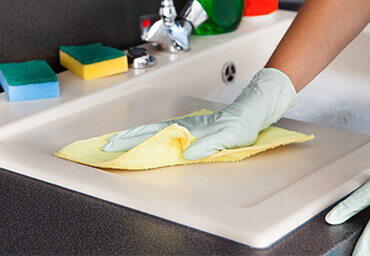
Smoke residue clings to walls, ceilings, countertops, and floors. Cleaning these surfaces is critical for post-fire odor removal.
-
Use a 1:1 mix of white vinegar and warm water for general cleaning
-
For heavy smoke damage, use trisodium phosphate (TSP) solution
-
Don’t forget to clean baseboards, window sills, light switches, and door frames
-
Avoid scented sprays—they mask odors instead of removing them
Consistent surface cleaning breaks down the particles causing the smelly smoke in your home.
Step 3: Wash or Treat Soft Furnishings and Fabrics
Porous materials like curtains, upholstery, and rugs are highly absorbent and require special treatment.
-
Machine wash washable fabrics with hot water and vinegar
-
Use steam cleaners on carpets and upholstered furniture
-
Lay cushions, pillows, and non-washable items outside in sunlight
-
Dry clean clothes, linens, and delicate fabrics
-
Consider replacing heavily damaged or smoky items, especially mattresses and insulation.
This step is essential for removing smoke smell from furniture and fabric.
Step 4: Clean the HVAC System
Your home’s HVAC system can circulate smoke particles, keeping the odor alive long after the fire.
-
Replace furnace and HVAC filters immediately
-
Hire a professional for air duct cleaning to remove soot buildup
-
Install a HEPA filter in your HVAC unit to capture lingering particles
-
Clean vent covers and grilles with soap and water
Neglecting this step may result in recontamination even after cleaning the rest of your home.
Step 5: Use Smoke Odor Neutralizers
To permanently remove smoke odor, you’ll need more than air fresheners. Use odor absorbers that work at the molecular level.
-
Place activated charcoal bags in smoky rooms
-
Sprinkle baking soda on carpets and vacuum after a few hours
-
Leave bowls of white vinegar or coffee grounds in rooms overnight
-
Invest in a hydroxyl generator or ozone machine (use with professional guidance)
These solutions neutralize odors instead of masking them, ensuring a long-term solution to fire smoke odor removal.
Step 6: Repaint Walls After Sealing with Odor-Blocking Primer
If smoke has penetrated your walls, cleaning alone won’t be enough. You’ll need to repaint using the right products.
-
Wash walls with vinegar and water or TSP
-
Apply an odor-sealing primer like Zinsser B-I-N or Kilz
-
Use low-VOC, high-quality paint for a fresh, clean finish
This step seals in lingering odors and prevents smoke smell from returning.
Step 7: Remove Unsalvageable Items
Unfortunately, not everything can be saved. Some items trap smoke so deeply that replacement is the only option.
-
Discard smoke-damaged carpets, mattresses, and insulation
-
Replace acoustic panels, ceiling tiles, and wallpaper if the odor persists
-
Electronics exposed to smoke should be inspected professionally for internal corrosion
Holding onto these items will extend the smell and health hazards in your home.
Step 8: Hire Professional Smoke Odor Removal Services
For extensive fire damage, DIY methods may not be enough. A professional restoration company can provide advanced tools and expertise.
-
Experts use thermal foggers, ozone treatments, and industrial-grade air scrubbers
-
They can assess damage hidden inside walls, ducts, and crawl spaces
-
Professional cleaners know what to restore—and what must be replaced
If you feel overwhelmed or the smoke damage is significant, calling in the pros is the safest, most effective route.
Final Touches: How to Refresh Your Home After Fire Odor Removal
Once the smoke odor is gone, take steps to restore comfort and peace to your space.
-
Add indoor plants like snake plants and peace lilies to purify the air
-
Use essential oil diffusers with calming scents like lavender or eucalyptus
-
Set out bowls of coffee grounds to absorb any lingering odors
-
Wash items again if any faint smell remains
These simple actions help you reclaim your home after a fire.
Conclusion: Breathe Fresh Again with Smoke Odor Removal After a Fire
Successfully removing smoke odors after a house fire takes time, effort, and attention to detail.
From airing out your home and cleaning every surface to sealing walls and clearing your HVAC system, each step plays a crucial role in restoring air quality and livability.
If you need help with post-fire cleaning or deep odor removal, NW Maids is here to assist.
Our experienced team uses proven techniques and powerful equipment to help your home smell fresh and feel safe again.
Contact NW Maids today for professional smoke odor removal and house cleaning services you can trust.
Related Posts:
- Clean Home, Clear Mind: Mental Health Benefits of Cleaning
- Restore Your Faded Laminate Flooring with These Simple Tips
- Best Cleaning Tips for Tiny Homes and Minimalist Living
- Effective Ways to Prepare Your Home for Allergy-Sensitive Guests
← Effective Cleaners for Homes Using Well Water
How to Clean Bookshelves and Keep Your Home Library Organized →